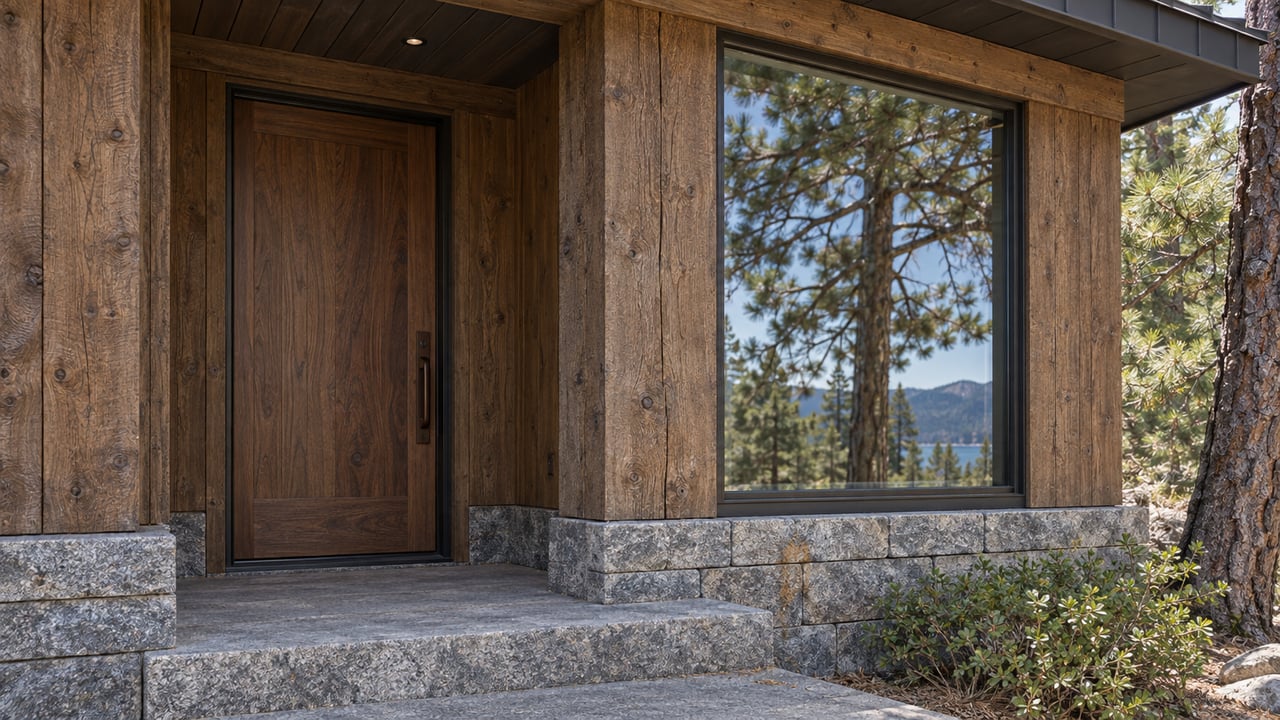
Why Homewood's Housing Scarcity Has an Expiration Date
October 1, 2026
On August 7, 2026, a four-bedroom home at 250 Grimsel Pass Road in Homewood closed for $4,000,000. It was a clean transaction by West Shore standards: a referral from an out-of-state agent, a house that matched what the buyer wanted without a bidding war dragging on for months. For anyone watching Homewood prices, it read as one more data point confirming what everyone already knew. Inventory is thin, demand is steady, and prices reflect that imbalance.
What that sale doesn't show is what's happening two hundred yards uphill, where crews have been pouring concrete for gondola towers since June. Homewood Mountain Resort's master plan doesn't just fund a lift upgrade. It funds that upgrade by selling new homes on the mountain, homes that don't exist yet but will soon sit in the same comp set as the house on Grimsel Pass. The scarcity that shaped that sale price has an expiration date if the resort's plans unfold as proposed.
Homewood's inventory has been thin for years, and it stayed thin through most of 2026. Local MLS-based listing data from late July showed nine active properties, a median list price near $2 million, an average of 86 days on market, and pricing running close to $1,010 per square foot. Other snapshots across the year counted as few as six active listings at a time, the smallest visible pool of any community on this stretch of the lake.
That scarcity isn't accidental. Buildable land on the West Shore is limited, and communities like Homewood and neighboring Tahoma have seen sustained price growth largely because there simply isn't much new ground to build on. When supply can't respond to demand, price does the adjusting instead. That's the mechanism behind every recent Homewood sale, including the one on Grimsel Pass.
It's also the mechanism about to get more complicated, because for the first time in over a decade, new supply is coming, and it's coming from inside the resort itself.
Homewood's master plan has always tied its ski infrastructure to real estate sales. The resort's own materials describe the funding model plainly: infrastructure investment gets fueled by the sale of onsite residential units and boutique hotel units. The gondola, the snowmaking upgrades, the mid-mountain lodge, all of it gets paid for in part by selling homes that will sit on Homewood's own footprint, competing directly with existing inventory the moment they list.
The case for that model goes back to a 2022 letter from JMA Ventures President Art Chapman to the Tahoe Regional Planning Agency, explaining why the resort's old day-ticket business no longer worked. Non-local skier visits had dropped sharply since Epic and Ikon passes pulled traffic toward bigger mountains, he wrote, even as the surrounding real estate had appreciated. His argument, as later reported: "West Shore property owners have seen their home values triple."
That rising equity is part of the context for the residential-funded model, and it's what makes the next phase relevant to anyone buying or selling nearby. The homes Homewood plans to build won't be entering a flat market. They'll be entering one where existing owners have already captured years of appreciation, and new construction pricing will have to be set against that backdrop.
How many units, exactly, has shifted with each version of the plan. Earlier drafts described a modest residential phase built around the Madden Chair site. A December 2024 draft outlined 225 residences across the resort footprint plus a 75-unit hotel and condo building. The amendment the TRPA Governing Board approved in January 2025 reduced building massing and residential density from that draft, repositioning the gondola base and opening view corridors in the process. The number that eventually reaches the market may not match any single figure that's been published so far. What hasn't changed across any version is the underlying structure: residential sales fund the mountain's future, and that future is now under construction.
Homewood's construction schedule has already missed one full season. The resort closed for all of 2024-25 after a financial backer withdrew support amid the master plan dispute, then reopened for 2025-26 following the TRPA's January 2025 approval. That season ended early, in mid-March 2026, due to deteriorating snow conditions, and crews stayed on through the closure to begin work.
General manager Andy Buckley laid out the next phase to KOLO 8 News Now in late March, describing groundwork and dirt development wrapping by October 15, the gondola targeted for completion sometime in December, ahead of the 2026-27 season opening. He also said the resort hoped to put some of the new chalets on the market later that summer. Summer has since passed, and whether that listing window opened on schedule isn't something this piece can confirm. The project has seen a decade-old 2011 plan that never fully broke ground and a season canceled outright in 2024, so the safest assumption is that any single date on this timeline is a target, not a guarantee.
In KOLO 8 News Now's report, Buckley framed the moment plainly: "It's the start of the revitalization of the West Shore." For buyers and sellers, that revitalization is also the point at which the comp set stops being static.
A few things follow directly from the timeline above.
The Tahoe Regional Planning Agency maintains a public master plan project page with the current status of permits, community access commitments, and construction milestones. Before making an offer on anything near the resort, it's worth checking that page directly rather than relying on a listing description written months earlier.
It's also worth asking your agent two specific questions. First, whether the property in question falls within any updated view corridor or gondola alignment described in the January 2025 amendment, since that affects both construction timing nearby and potential shifts in outlook once the lift is running. Second, whether the seller has any information about the resort's True Local Season Pass, a discounted pass offered to full-time West Shore residents, since it's the kind of local detail that doesn't show up on a spec sheet but matters to how a home actually gets used.
Is Homewood Mountain Resort still open to the public? Yes. The January 2025 master plan amendment includes specific commitments, negotiated in part with the Keep Homewood Public coalition, that keep the ski area's lifts and passes available to anyone with a valid ticket, not just residents of the new development.
When will the new gondola actually open? The resort's stated target is the 2026-27 ski season, with groundwork completing by mid-October and the lift itself ready in December, according to the general manager's March 2026 timeline. Given the project already lost an entire season to permitting delays, treat that date as a target rather than a lock.
Will the new construction really compete with existing homes? Yes, by design. The resort's own funding model relies on selling onsite residential units to pay for the mountain's infrastructure, which means new inventory is not a side effect of the redevelopment. It's the mechanism that pays for it.
If you're weighing a purchase or a sale on Homewood's West Shore this year, the timing details above are the kind of thing worth working through with someone who tracks this market closely. Tricia Higgins can help you read the current listing landscape against what's actually coming, so your decision holds up once the next phase of the master plan reaches the market.
This article is general information, not legal, tax or financial advice. Consult a qualified professional about your situation.
Tricia approaches real estate with the same dedication as the tech industry. Buyers, sellers, and investors can expect reliability, integrity, and a “can-do” work ethic. Her vast international corporate experience brings a welcome level of clear-headed negotiation skills. Contact her today!