Why Homewood At Tahoe’s West Shore Appeals To Buyers
June 4, 2026
If you are drawn to Lake Tahoe but want something that feels more tucked into the trees than centered in a busy town core, Homewood deserves a closer look. Many buyers are not just comparing square footage or finishes here. They are looking for a setting, a rhythm, and a place that supports how they want to spend time in Tahoe year-round. This guide will show you why Homewood’s West Shore stands out, what shapes buyer demand, and what to pay attention to as you compare it with nearby areas. Let’s dive in.
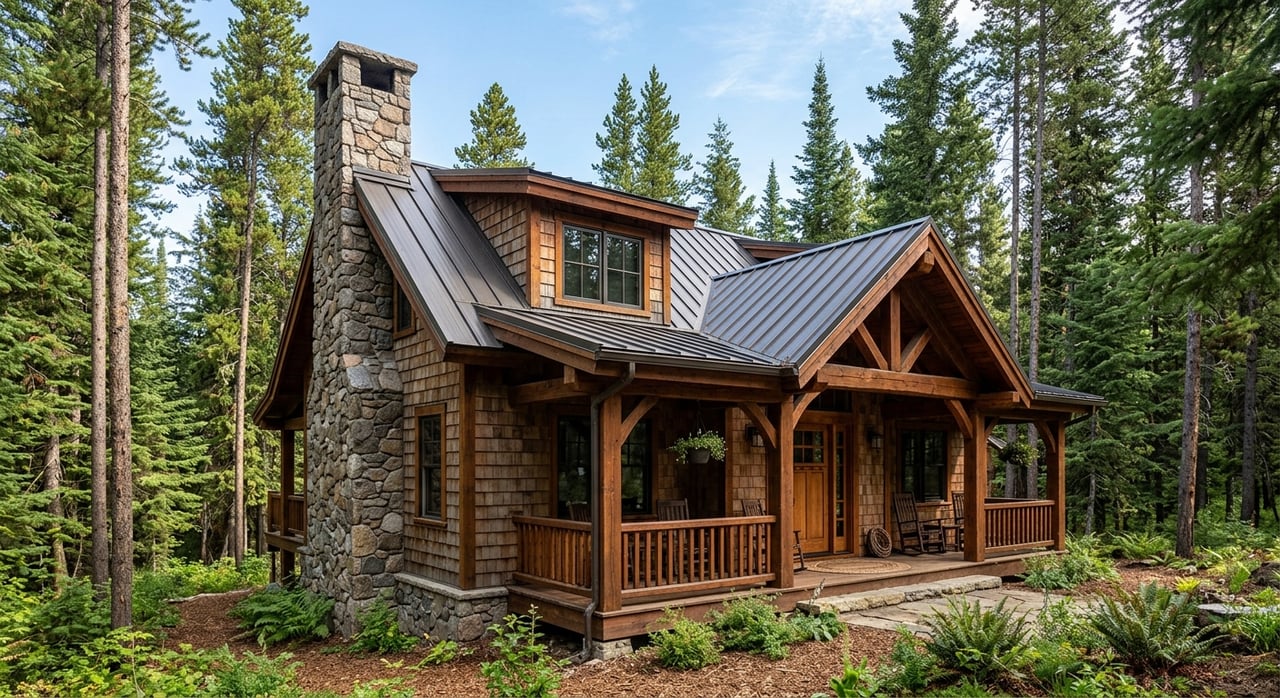
One of Homewood’s biggest draws is how it looks and feels along the West Shore. Planning materials from the Tahoe Regional Planning Agency describe the Homewood corridor as a rural transition environment with conifer forest, filtered lake views through the trees, and older timber boatyard buildings that contribute to its visual identity.
That matters when you are choosing between West Shore locations. The same planning documents describe Tahoe City as more intensely developed and Tahoma as having more concentrated roadside development. In contrast, Homewood reads as more forest-screened and less built up, which appeals to buyers who want a calmer Tahoe setting.
In Lake Tahoe, access matters because public shoreline is limited. The California Tahoe Conservancy says only 34 of the lake’s 72 shoreline miles are public, so being close to meaningful access points can shape how often you actually get out on the water or enjoy the shore.
Homewood benefits from several nearby access options. California’s boating facility database lists Homewood High & Dry Marina and Obexer’s Boat Company as public facilities on Lake Tahoe, and TRPA recreation materials describe boating and beach opportunities in the Homewood commercial area.
For many buyers, this is a major part of the appeal. You are not just buying a home near the lake. You are buying into easier access to marinas, shoreline time, and the everyday convenience that can make a second home or full-time home feel more usable.
Homewood also benefits from strong trail connectivity along the West Shore. Tahoe City Public Utility District says its 23-mile multi-use trail network helps people tour the North and West Shore, and the Dianne Feinstein West Shore Tahoe Trail runs about 12 miles from Tahoe City to Meeks Bay.
That trail access supports the kind of lifestyle many buyers want. Whether you enjoy walking, biking, or simply having car-light ways to move along the shore, the trail network adds practical value to the location. TCPUD also invested $4.8 million to reconstruct 2.4 miles of the West Shore Trail in 2025, which underscores continued support for this recreation infrastructure.
Homewood is also close to notable West Shore recreation destinations. Ed Z’berg Sugar Pine Point State Park sits about 10 miles south of Tahoe City and offers beach access, a pier, hiking, snowshoeing, skiing, and the historic Hellman-Ehrman Mansion.
Another nearby access point is Eagle Rock, a California Tahoe Conservancy property acquired for public access, recreation, and restoration. For buyers, this means Homewood is not appealing because of one single amenity. It is appealing because it connects you to a broader West Shore recreation network.
For many buyers, Homewood Mountain Resort is a lifestyle anchor. In January 2025, TRPA approved a revised Homewood master plan that keeps the resort open to the public, reduces some previously proposed commercial uses, and allows a new gondola permit.
TRPA also described Homewood as a key gathering place for the West Shore. That is important because resort communities often hold value not just through location, but through the role they play in the larger area. A resort can help shape identity, convenience, and buyer perception over time.
Homewood’s appeal is not limited to ski season. The resort is seasonal, and its website notes a closing day of March 17, 2026, but older TRPA recreation materials describe the area as supporting cross-country ski trails, hiking and mountain bike trails, and fishing at Quail Lake.
That broader recreation base helps explain why buyers often see Homewood as a four-season home base. If you are looking for a property that works for summer lake days, shoulder-season trail use, and winter recreation, Homewood checks several boxes at once.
Buyers are often drawn to Homewood because the homes tend to feel rooted in Tahoe’s mountain character. Planning documents describe single-family homes scattered among forest cover and mixed with commercial uses, rather than arranged in a conventional suburban subdivision pattern.
That creates a different experience from neighborhoods with a more uniform layout. In Homewood, the forest backdrop, resort opening, and older timber structures all contribute to a visual identity that feels distinctly Tahoe.
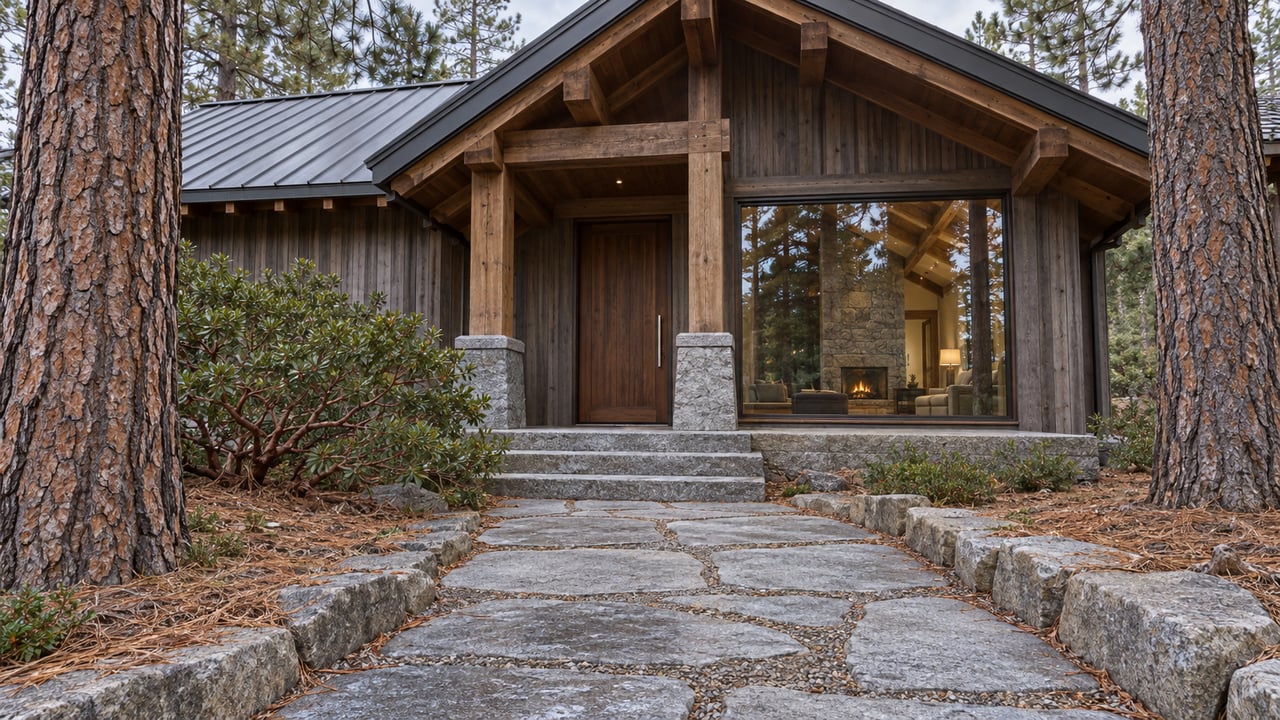
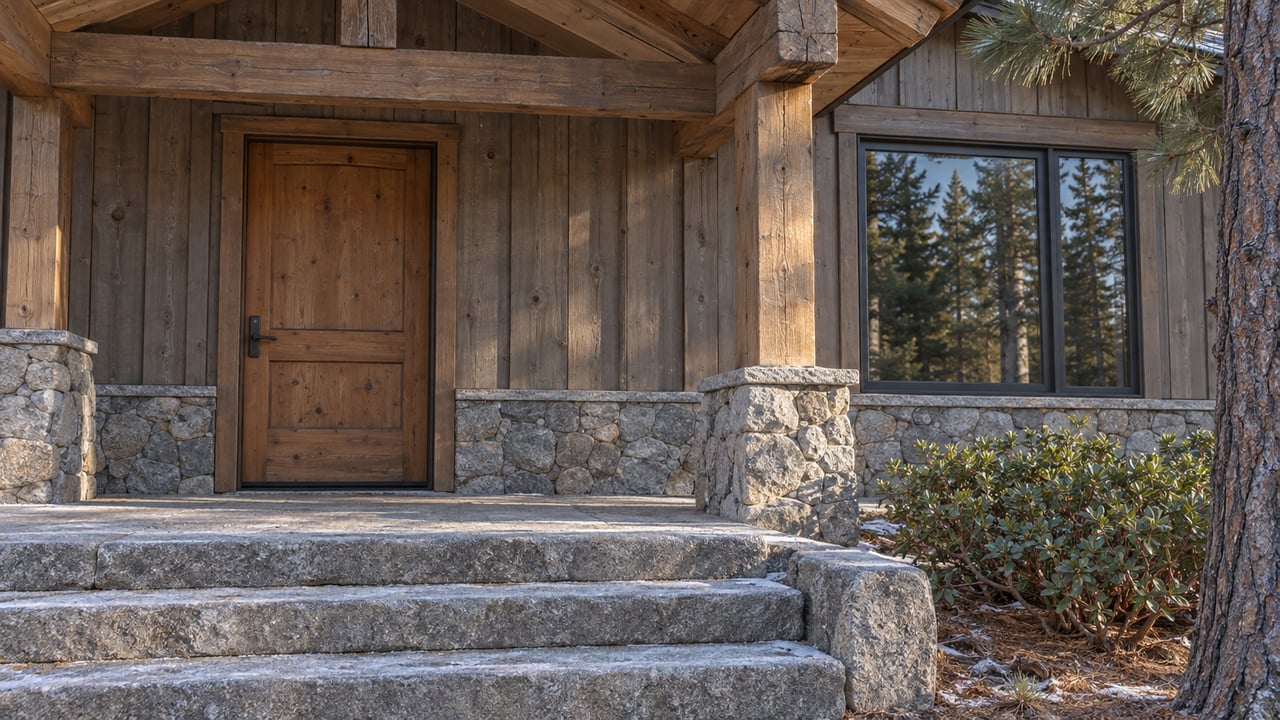
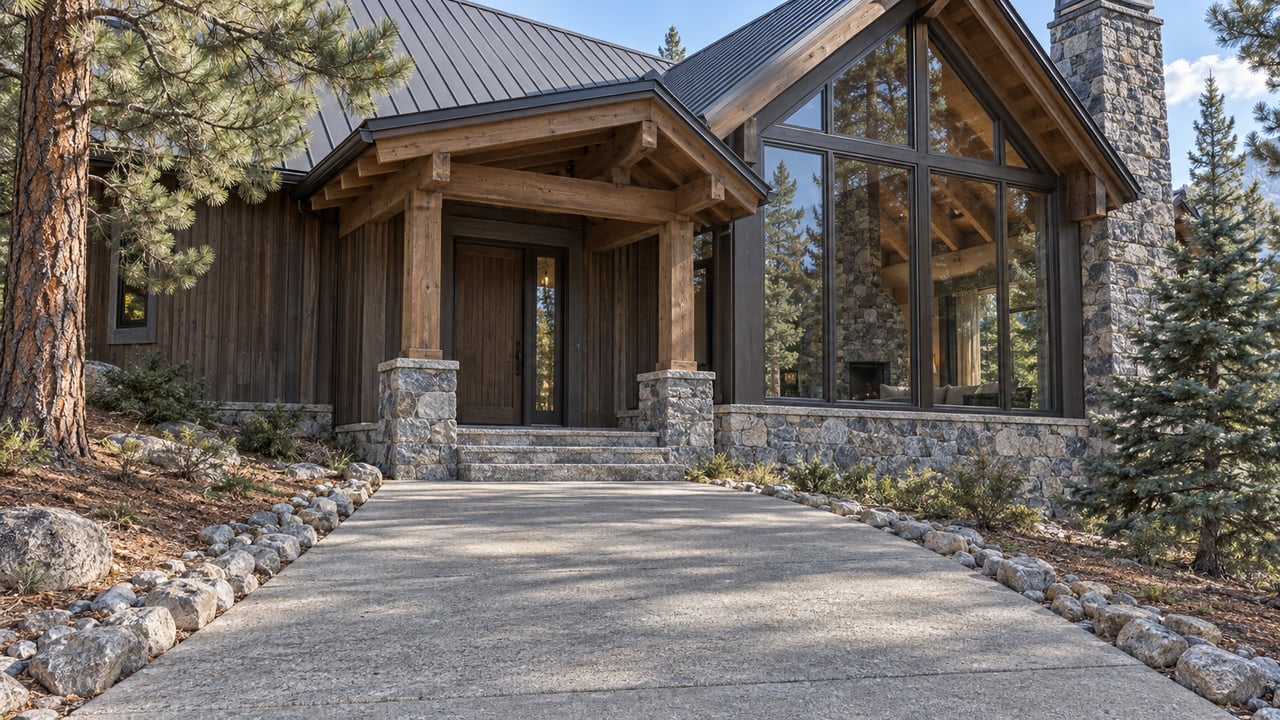
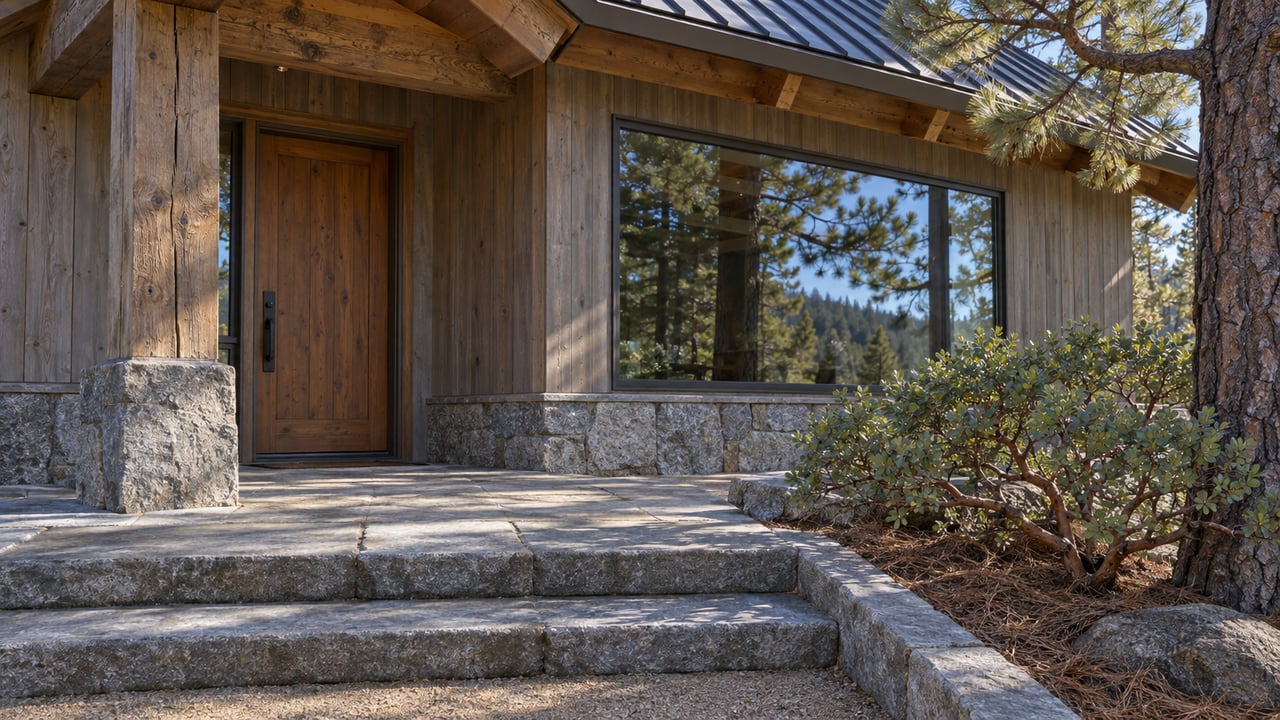
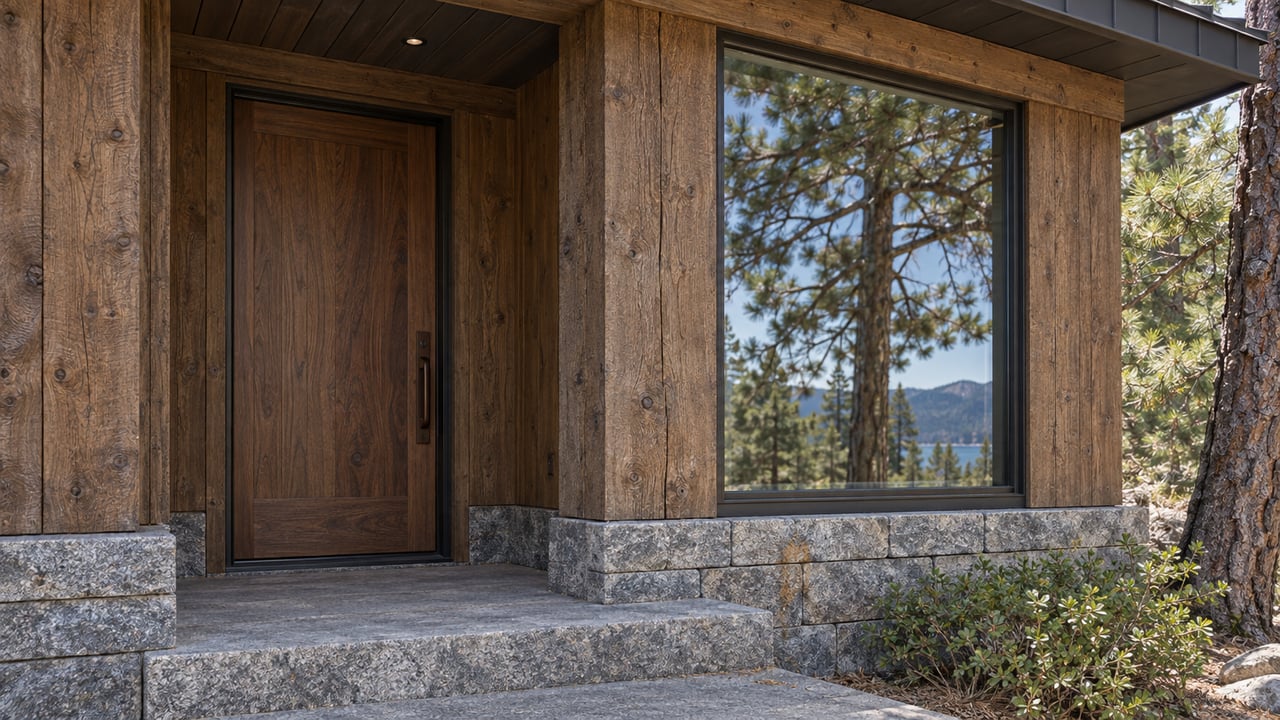
Master plan compliance materials point to a rustic mountain aesthetic that includes stone, heavy timber supports, wood and cement lap siding, planted roofs, dark earth tones, and roof pitch limits intended to keep new structures below the tree canopy.
In practical terms, that means buyers comparing listings in Homewood may see a mix of older Tahoe cabins, renovated mountain homes, and resort-adjacent properties that still share a common visual language. Even when homes differ in age or updates, the overall character tends to align with the natural setting.
A big reason buyers are drawn to Homewood is that it sits between two different West Shore experiences. Tahoe City offers a more active town-center environment, and Placer County describes Commons Beach as a major public lakeside gathering place in the heart of town.
Tahoma is also on the West Shore, but TRPA says development there is more concentrated and visible along the roadway. Homewood lands between these two patterns, which gives it a distinct niche for buyers who want access without as much intensity.
Neighborhood fit matters just as much as the home itself in a Tahoe purchase. Some buyers want to walk to more activity and services. Others want a more tucked-away setting where the trees, trail access, and resort presence shape the experience more than a commercial core does.
Homewood often appeals to the second group. It offers a combination of shoreline access, trail connectivity, resort energy, and forest-screened character that is hard to replicate in one place.
If Homewood is on your shortlist, it helps to look beyond the listing photos. The strongest buying decisions here usually come from understanding how the property fits your priorities for access, seasonality, privacy, and long-term use.
As you compare options, consider these questions:
These are the kinds of details that can shape satisfaction long after closing. In a place like Homewood, lifestyle fit is often what separates a good purchase from a great one.
Homewood’s West Shore appeal comes down to a rare mix: a quieter visual setting, meaningful access to lake and trail recreation, a resort that helps anchor the community, and housing that reflects Tahoe’s mountain character. For buyers who want West Shore living with a more tucked-in and natural feel, it continues to stand out for good reason.
If you are weighing Homewood against Tahoe City, Tahoma, or other North Lake Tahoe options, the right guidance can help you match the location to your goals and make a more informed decision. Tricia Higgins offers thoughtful local guidance for buyers, sellers, and investors across Homewood and the greater Tahoe market.


Tricia approaches real estate with the same dedication as the tech industry. Buyers, sellers, and investors can expect reliability, integrity, and a “can-do” work ethic. Her vast international corporate experience brings a welcome level of clear-headed negotiation skills. Contact her today!