Preparing Your Tahoe City Home To Sell
April 9, 2026
If you are thinking about selling in Tahoe City, preparation can make a real difference. In a market where inventory is limited, prices are high, and buyers are paying close attention to condition, pricing, and paperwork, a well-prepared home can stand out for the right reasons. The good news is that you do not need to over-improve. You need a smart plan that fits Tahoe City, your property, and your timeline. Let’s dive in.
Tahoe City is not a typical market. According to Zillow’s Tahoe City home value data, the average home value was $1,212,367 as of February 28, 2026, and available inventory remained limited. The same research report notes that Realtor.com showed a $1.29 million median listing price, 28 active listings, a 97% sale-to-list ratio, and 103 median days on market in March 2026.
That combination matters. Buyers are willing to pay for Tahoe City, but they are also careful. In a balanced market, your home’s presentation, maintenance, disclosures, and pricing strategy all carry weight.
Tahoe City buyers often picture how a home will function across all four seasons. The Tahoe City Downtown Association describes the area as a walkable North Shore community with 300 days of sunshine and nearly 15 feet of annual snowfall. That means buyers may notice summer curb appeal and winter readiness almost immediately.
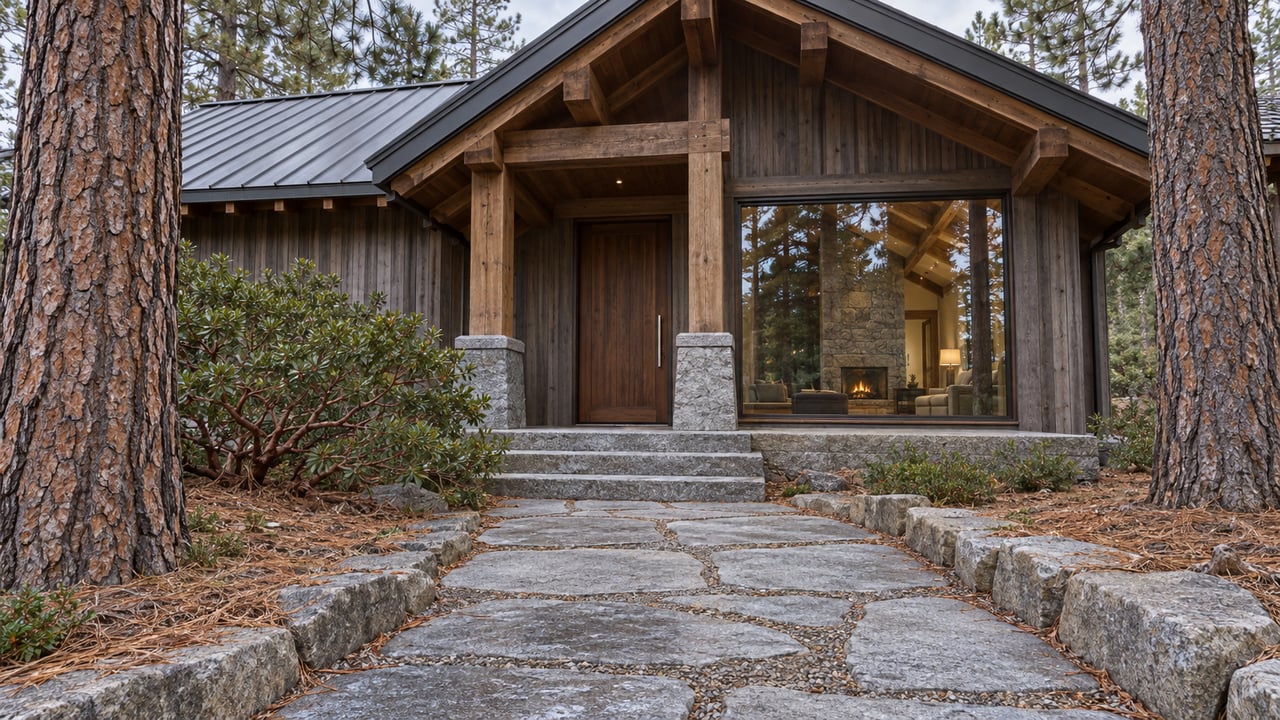
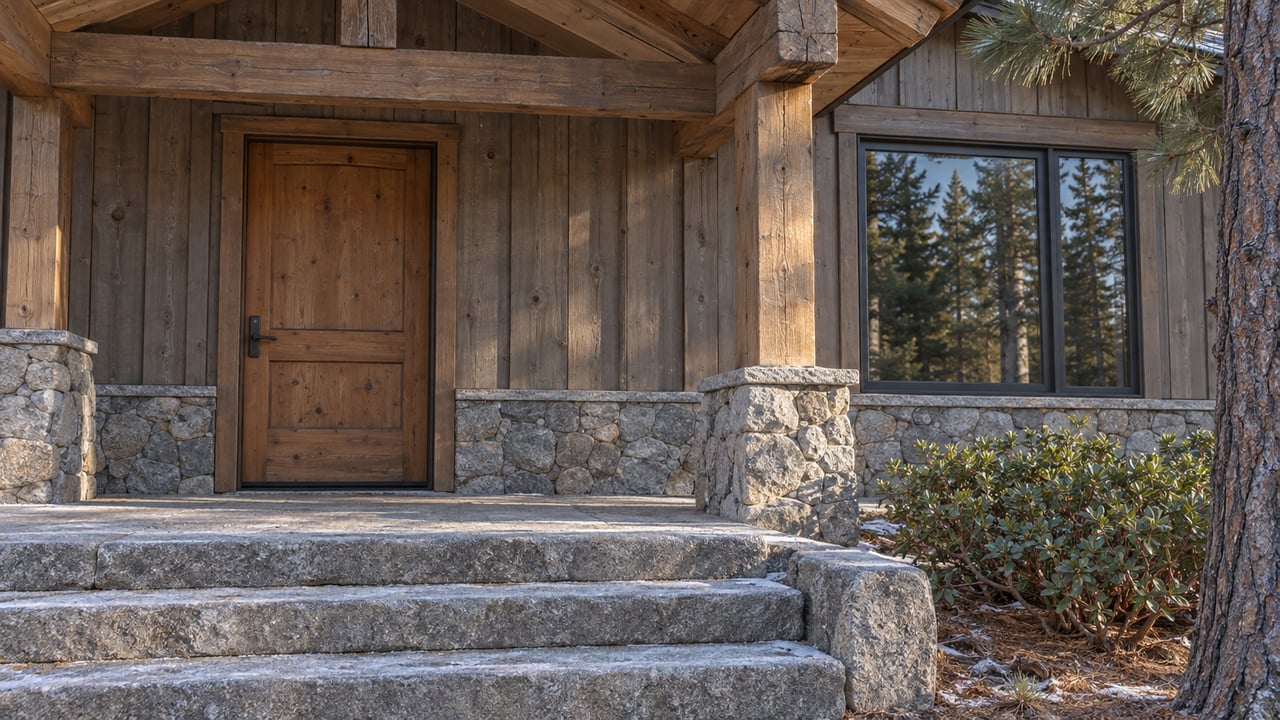
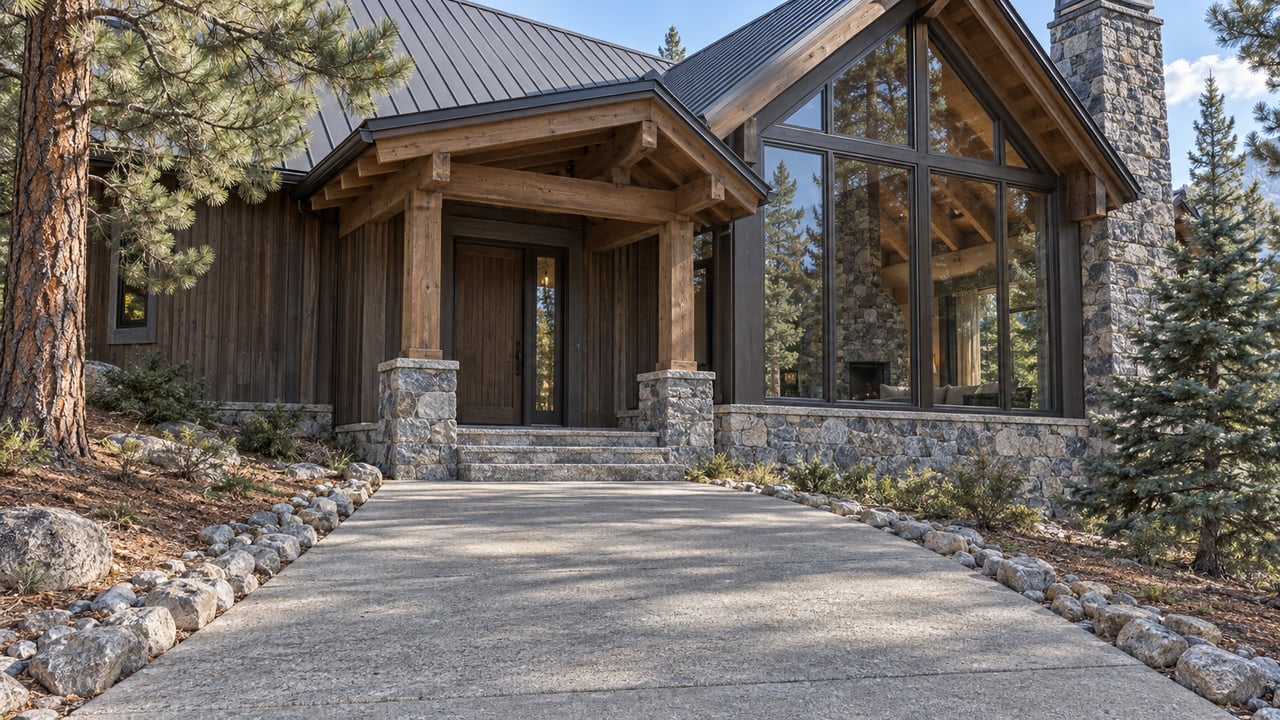
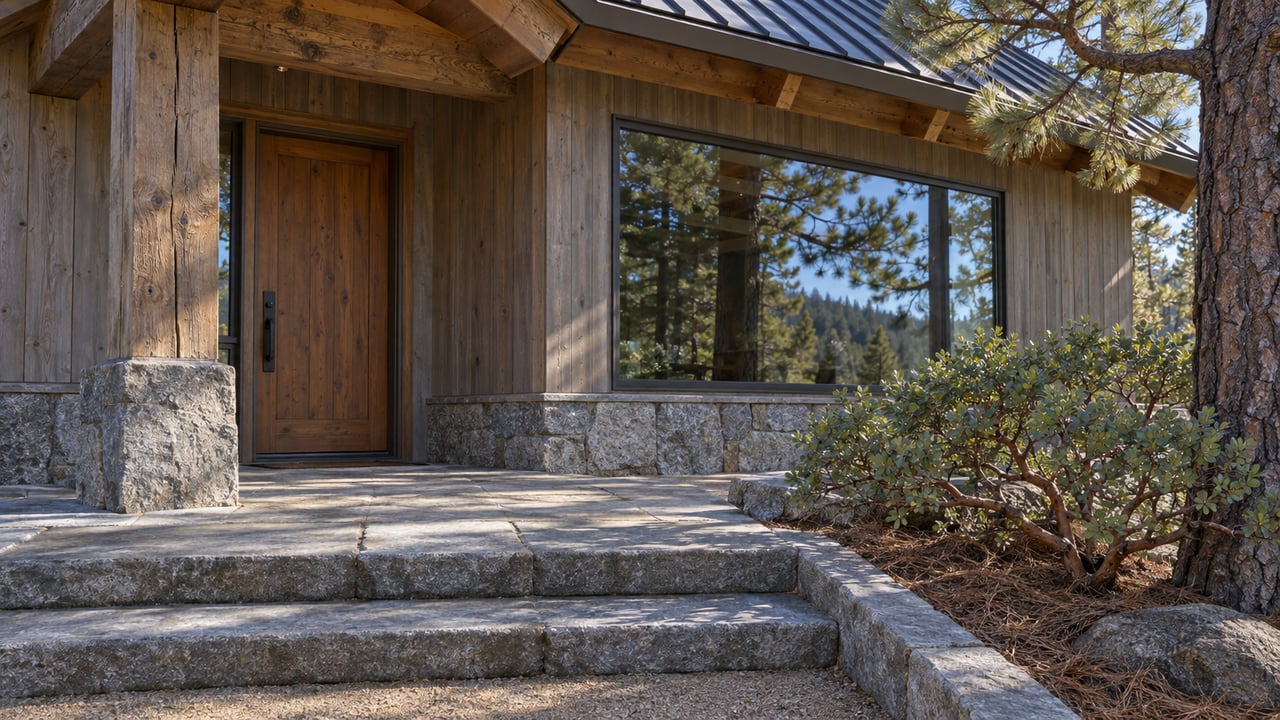
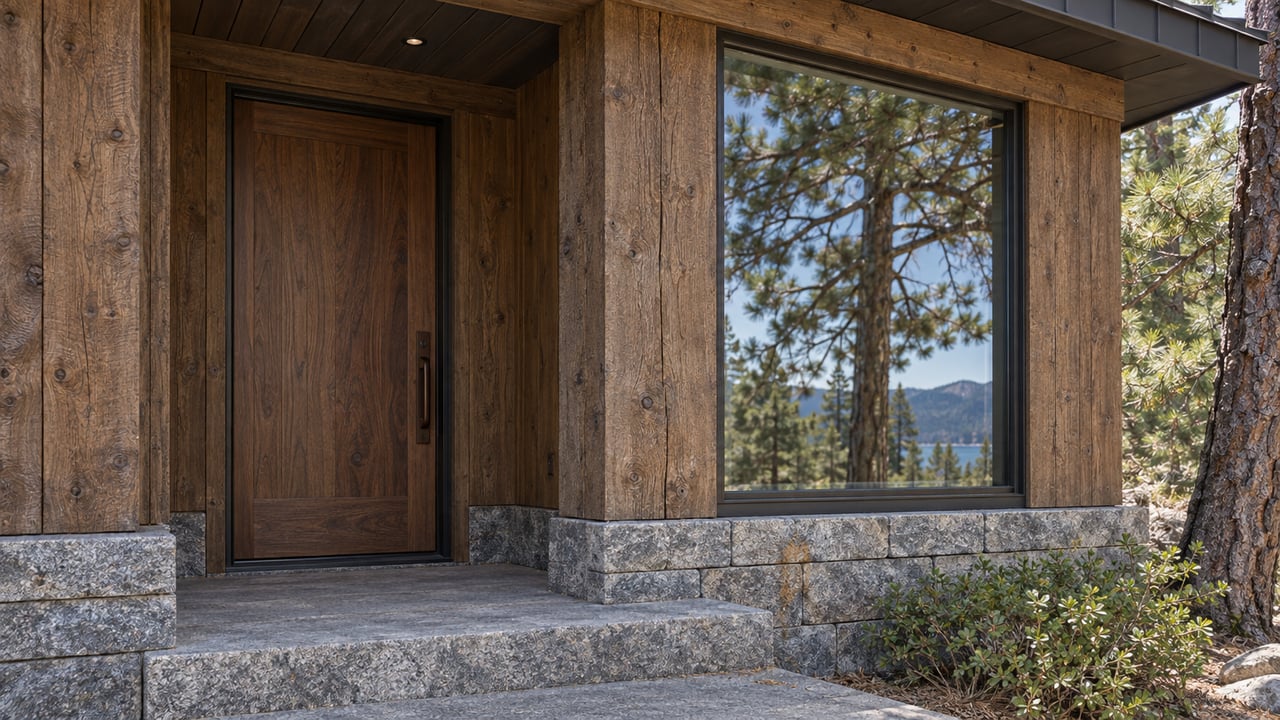
When you prepare your home, think beyond simple cosmetics. A clean exterior, safe access, a well-maintained roofline, and usable outdoor spaces can help buyers feel that the property has been cared for. In Tahoe City, that sense of ease and readiness can be especially important.
Before you think about staging, focus on the basics. The National Association of Realtors 2025 consumer guide recommends reviewing major systems and property elements such as the structure, exterior, roof, plumbing, electrical, heating and air conditioning, ventilation, insulation, and fireplaces.
In Tahoe City, this step matters even more because mountain conditions can put added wear on homes. Snow, freeze-thaw cycles, and seasonal use patterns can raise questions for buyers. If something appears deferred, buyers may assume there is more behind it.
You do not need to renovate everything. Often, the best return comes from handling visible maintenance items, safety issues, and anything that could create concern during escrow.
A pre-sale inspection is not required, but it can be useful. The NAR guide notes that it may help uncover issues before a buyer does, giving you time to decide what to repair, disclose, or price accordingly.
For Tahoe City sellers, this can be a practical way to reduce surprises. If your home has older systems, a complex exterior, or deferred maintenance, finding out early can help you make informed decisions. It can also make it easier to gather estimates and set realistic expectations before your home goes live.
One of the most effective prep steps is also one of the simplest. The NAR guide recommends cleaning windows, carpets, fixtures, and walls, removing clutter, and improving curb appeal.
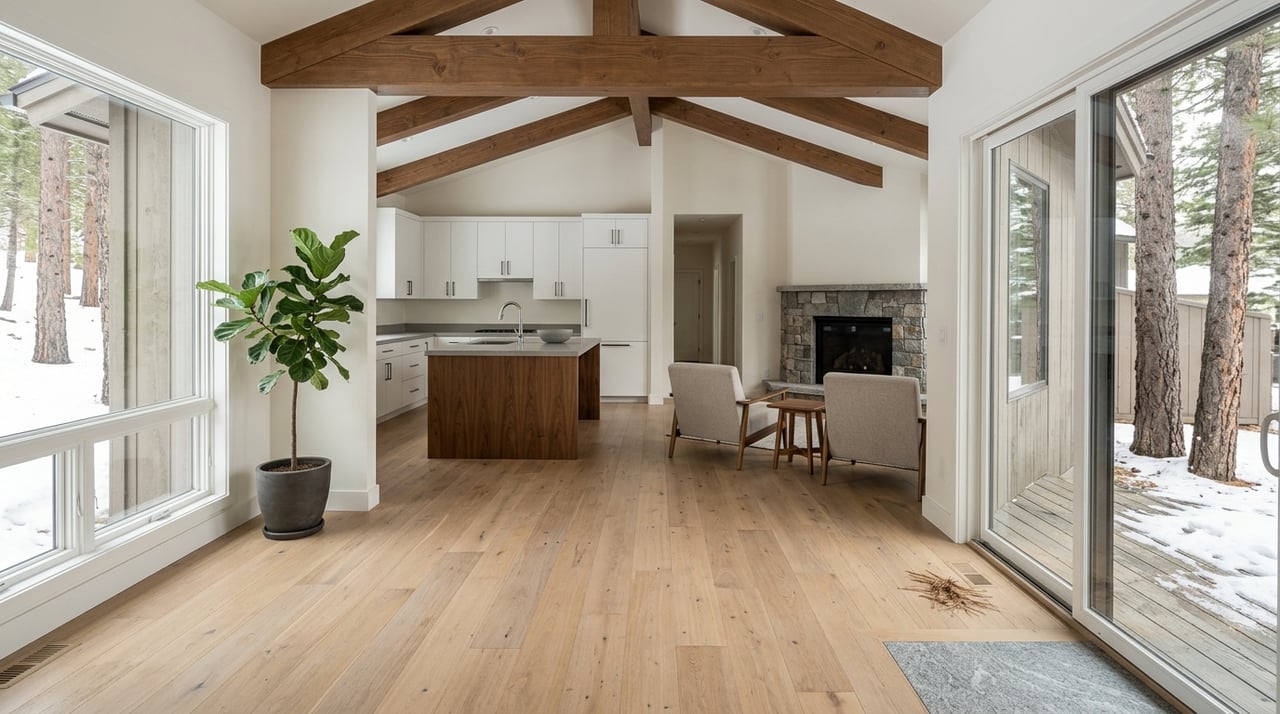
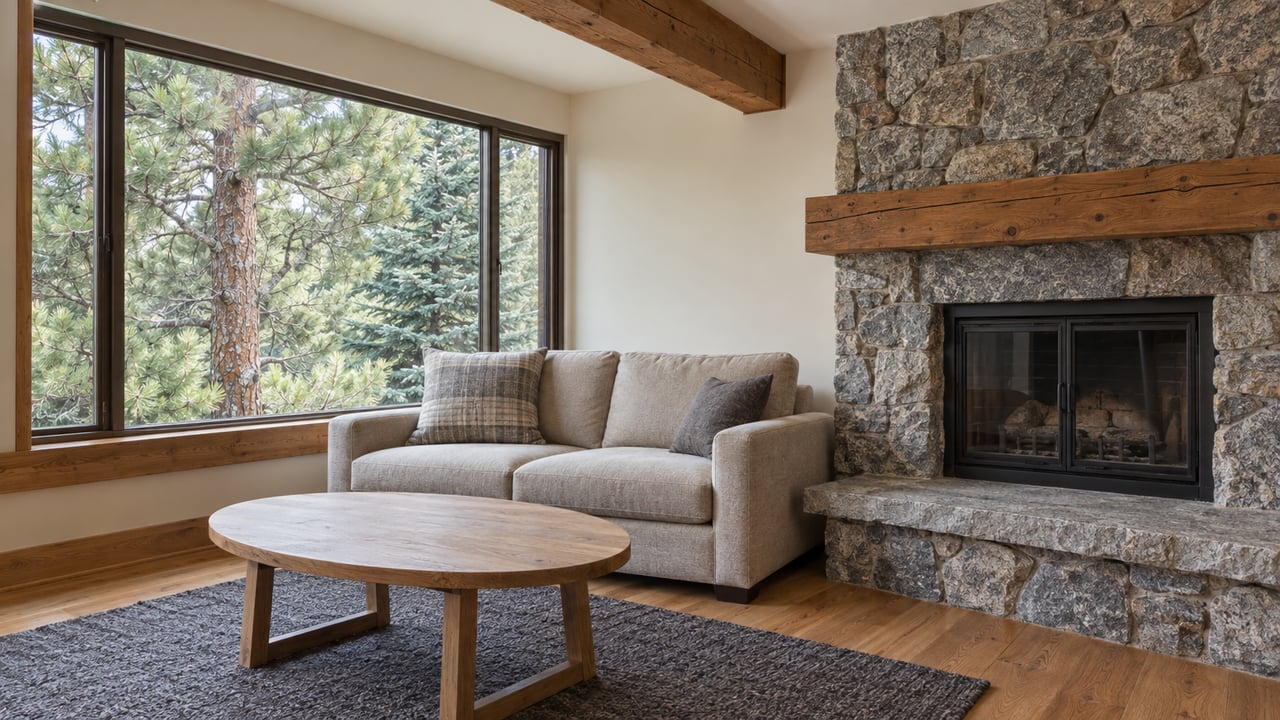
In Tahoe City, buyers are often drawn to light, views, wood detailing, vaulted spaces, and a sense of comfort. Too much furniture, personal storage, or visual clutter can distract from those features. The goal is to help buyers focus on the home itself and how it lives.
Staging should help buyers picture everyday use, not just a photo shoot. The NAR guide recommends staging key areas, and in Tahoe City, that usually means highlighting comfort, function, and low-maintenance ownership.
A cozy living room, a tidy mudroom or entry, a clean deck setup, and well-defined sleeping areas can all help. If your home has features that support winter weekends, summer lake days, or easy hosting, those details should be visible without feeling forced.
Timing matters when you are preparing to sell. Placer County’s market conditions report identifies August as the countywide peak of the home sales season. For Tahoe City sellers, that supports doing prep work in spring and early summer so your home is ready for snow-free photos, exterior cleanup, and easier showings.
That said, winter can still be an appealing listing season for the right property, especially when ski access, cozy interiors, or seasonal use are part of the appeal. The key is to start earlier than you think, particularly if your to-do list includes outside work.
In Tahoe City, exterior prep may involve more than scheduling a painter or landscaper. The Tahoe Regional Planning Agency notes that grading season in the Lake Tahoe Basin runs from May 1 through October 15. Outside that period, grading and similar soil-disturbing work are generally prohibited unless an exception is approved.
TRPA rules can also affect land coverage, parcel history, and tree removal. The same TRPA resource explains that allowable land coverage depends on soil type and parcel history, and that many pre-1972 properties may have legally existing excess land coverage. It also states that many tree-removal projects require permits, including live trees over 14 inches DBH in many cases, with different thresholds for some lakeshore parcels.
If any of these issues may affect your sale, it is wise to look into them before listing. Waiting until escrow can create delays or limit your options.
Seller disclosures are a major part of the process in California. The California Department of Real Estate reference guide states that sellers of one-to-four unit residential property generally must deliver a Real Estate Transfer Disclosure Statement. It also explains that a seller’s agent must conduct a reasonably competent and diligent visual inspection and disclose material facts affecting value, desirability, and intended use.
The same DRE source explains that the Natural Hazard Disclosure Statement covers items such as flood zones, dam inundation areas, very high fire hazard severity zones, wildland fire areas, earthquake fault zones, and seismic hazard zones. In a mountain market like Tahoe City, buyers often expect these conversations and may ask detailed questions.
Being organized can help your sale feel smoother and more credible.
Wildfire readiness is a practical issue for Tahoe City sellers. CAL FIRE says that home hardening and defensible space work together. Its guidance includes fire-resistant roofs, vents, siding, windows, and decks, along with a 5-foot ember-resistant zone and 100 feet of defensible space.
This matters for more than appearance. Buyers may be thinking about maintenance, safety, and insurance. Placer County’s market report also noted that more than half of surveyed residents had homeowners insurance policies that were either non-renewed or subject to significantly higher premiums, making this an important part of seller preparation.
You do not need to promise what you cannot verify. Instead, focus on documented maintenance, visible care, and a clear understanding of your property’s current condition.
Even a beautifully prepared home still needs the right pricing strategy. Tahoe City is a premium market, but it is also a market where buyers compare value carefully. Limited inventory helps, but it does not replace pricing discipline.
A smart pricing conversation should reflect current Tahoe City conditions, your home’s specific location and features, any seasonal strengths, and any disclosure or condition factors that may affect buyer response. In a balanced market, pricing and prep work best together.
Selling in Tahoe City often involves more moving parts than sellers expect. Between seasonal timing, mountain-home maintenance, wildfire questions, disclosure requirements, and possible TRPA issues, the process benefits from early planning.
This is where local guidance can be especially valuable. A thoughtful advisor can help you decide what is worth fixing, what should be documented, what may need additional review, and how to launch with a clean, credible presentation rather than rushing to market.
If you are preparing your Tahoe City home to sell, working with someone who understands local pricing, property prep, disclosure review, and mountain-market timing can help you make informed decisions with less stress. If you would like a tailored strategy for your property, Tricia Higgins can help you map out the right next steps.



Tricia approaches real estate with the same dedication as the tech industry. Buyers, sellers, and investors can expect reliability, integrity, and a “can-do” work ethic. Her vast international corporate experience brings a welcome level of clear-headed negotiation skills. Contact her today!