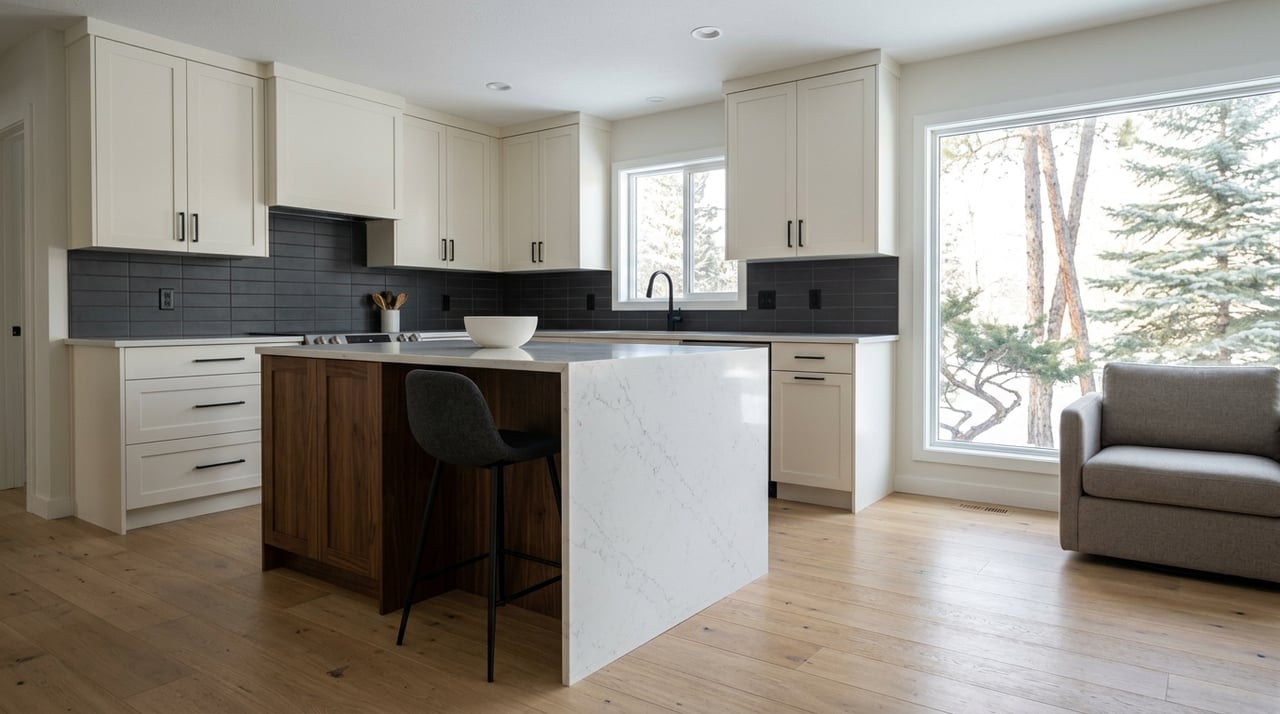
Choosing A Condo Or Cabin In North Lake Tahoe
May 21, 2026
Buying in North Lake Tahoe often starts with a feeling: you can already picture weekends by the lake, winter mornings in fresh snow, and a place that fits how you want to spend your time here. But when you narrow the search in Kings Beach, the condo versus cabin decision quickly becomes more than style. Your best fit depends on maintenance, rental plans, parking, wildfire readiness, and how hands-on you want to be as an owner. If you are weighing both options, this guide will help you focus on the tradeoffs that matter most. Let’s dive in.
Before you compare floor plans or finishes, think about how the property will actually function in your life. A weekend getaway, a seasonal second home, and an investment-minded purchase can all point to different choices.
In Kings Beach, the right answer is often less about whether a home is labeled a condo or a cabin and more about your preferred balance of convenience, privacy, rental flexibility, maintenance, parking, and wildfire preparedness. That practical lens can make the decision much clearer.
One of the biggest differences between a condo and a cabin is how ownership works. In a California common interest development, buying a condo typically makes you a member of the homeowners association. That means the property is governed by recorded rules such as CC&Rs and bylaws, and the association collects assessments and manages common areas.
For you as the owner, that usually means you are responsible for your separate interest and any exclusive-use common area tied to the unit, while the association handles shared spaces. By contrast, a freestanding cabin is often a more direct ownership experience unless it is also part of a planned development with its own CC&Rs.
With a condo, you are often buying into a shared operating structure as much as you are buying the home itself. With a cabin, you are more likely to manage the property directly, from exterior upkeep to vendor scheduling, unless a separate development structure applies.
That difference matters if you live outside Tahoe and want a place that is easier to lock up and leave. It also matters if you prefer more independence and fewer shared rules.
A condo can feel simpler because some recurring work may be built into the dues. Depending on the association, those dues may help cover common facilities, landscaping, private streets and driveways, and snow removal. For many second-home buyers, that can create a more predictable ownership experience.
A cabin shifts more of that responsibility to you. Instead of paying dues for shared management, you may be coordinating snow service, exterior maintenance, driveway clearing, and other seasonal needs directly. Some buyers prefer that control, while others would rather trade it for convenience.
If you are considering a condo, the HOA budget deserves careful review. Reserve studies are designed to estimate the cost and timing of major common-area repairs such as roofs and pavement, and annual budget disclosures are supposed to show current reserves, remaining useful life of major components, estimated replacement costs, and any reserve deficiency per unit.
In plain terms, a condo with weak reserves may face more pressure on dues or other cost-sharing measures down the road. A well-funded association can reduce the risk of deferred maintenance and help you better understand the building’s financial health.
The governing documents can tell you a lot about the ownership experience. CC&Rs often address maintenance obligations, insurance requirements, architectural controls, assessment rules, and how the community handles major damage after events like fire or earthquake.
That review is especially important because state guidance notes that buyers should rely on the governing documents and their own due diligence rather than assume a local agency will step in to resolve HOA disputes after sales begin. In other words, the paperwork is not just a formality. It is central to understanding what you are buying.
If you hope to rent the property occasionally, this is one of the most important parts of the decision. In Placer County, a short-term rental is generally a residential unit rented for 30 days or fewer, and the county requires both a short-term rental permit and a transient occupancy tax certificate.
New applicants also need passing interior Fire Life Safety and exterior defensible-space inspections. The county currently caps residential short-term rental permits at 3,900, and once that cap is reached, short-term rentals must rent at least 30 nights per year to renew.
With a condo, county rules are only part of the picture. You also need to understand the HOA’s restrictions, parking allocations, guest rules, and whether the project type aligns with your intended use.
That is especially important in Kings Beach, where Placer County requires parking locations and vehicle counts to be disclosed in short-term rental listings. The county also treats condo-hotels differently from standard residential short-term rentals, so you should verify exactly what kind of property you are considering before making assumptions about rental use.
A cabin may give you a more independent setup, but it does not eliminate county requirements. Placer County can revoke permits for nuisance or fire-safety failures, and the ordinance requires a local contact person who can respond by phone 24 hours a day, 7 days a week and be physically present within 60 minutes.
If the property is booked between December 1 and April 1, the county also requires snow-removal service. That means rental plans should always be tested against real operational needs, not just the appeal of owning a mountain home.
In North Lake Tahoe, wildfire preparedness is part of responsible ownership. CAL FIRE recommends a mix of home hardening and 100 feet of defensible space, with guidance that highlights features such as Class A roofs, clean gutters, ember-resistant vents, and cleared vegetation under decks.
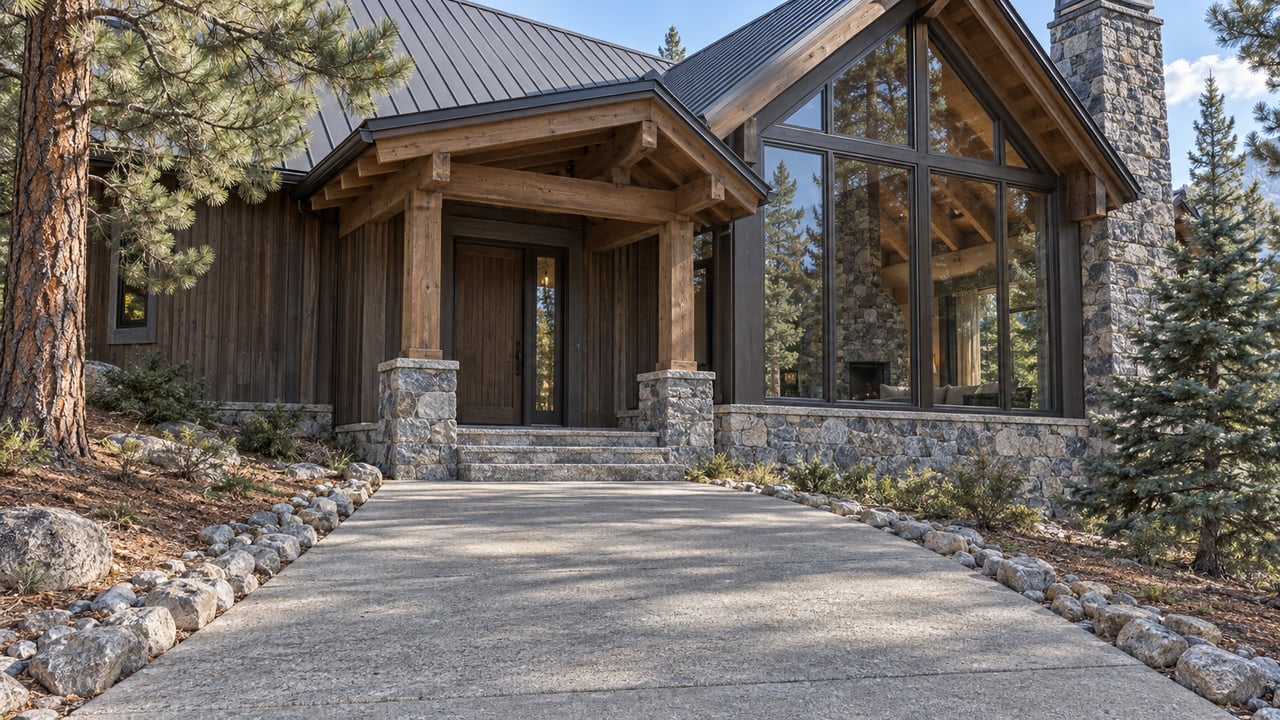
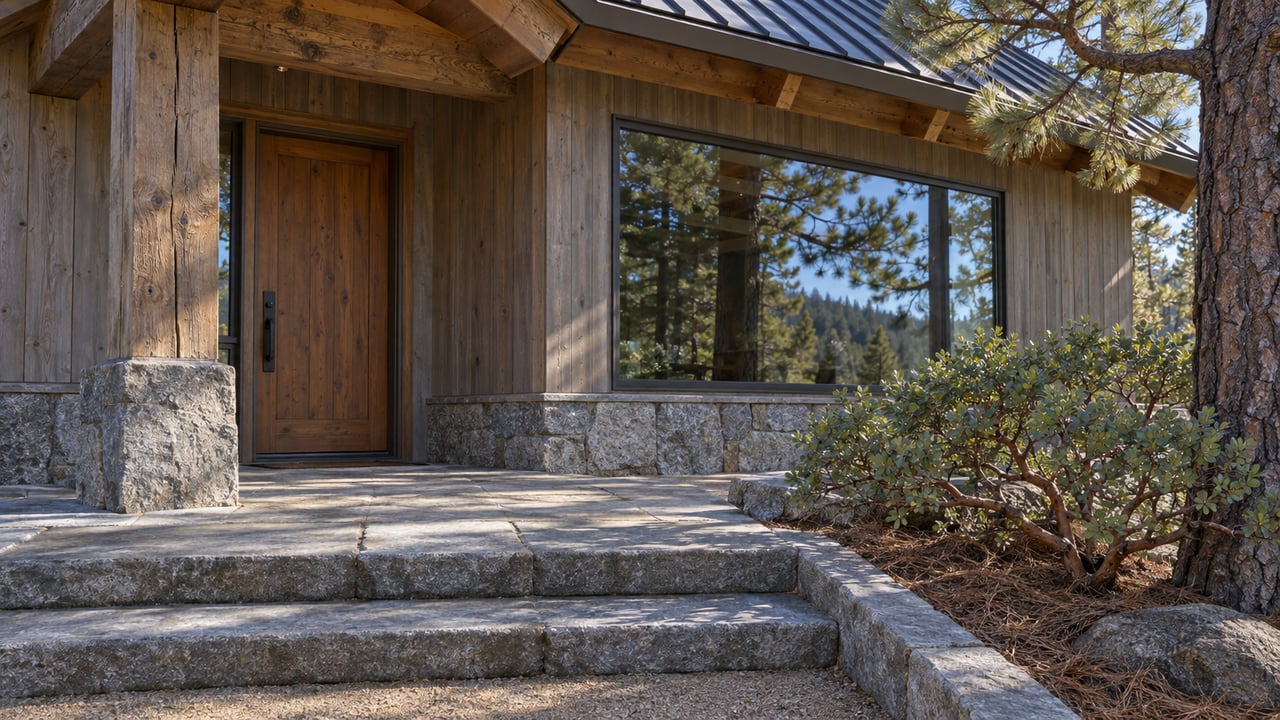
For a cabin, much of that work tends to fall directly on you. Trees, slopes, decks, and more directly owner-managed exterior space can create both charm and responsibility. If you love the privacy of a cabin, make sure you also feel comfortable with the ongoing work that comes with it.
With a condo, some exterior risk-management tasks may be shared through the association. That can be appealing if you want less hands-on ownership. Still, you should understand the building’s hardening status and insurance structure before moving forward.
North Tahoe Fire also offers defensible-space inspection and chipping programs in the district, which can be a helpful local resource for vegetation management. For any property in this area, wildfire readiness should be part of your buying checklist, not an afterthought.
In Kings Beach, parking is not a small detail. Placer County’s parking management program is designed to reduce spillover parking and improve turnover in the commercial core, and the county has approved paid parking along with residential permit parking zones.
That local reality can make your ownership experience feel very different depending on the property type. A condo may offer assigned parking and HOA guest rules, while a cabin may give you a driveway but also require you to think about snow storage and any limits on nearby street parking.
In a place like Kings Beach, convenience often comes down to these everyday details. They may not be as exciting as lake views or interior finishes, but they can strongly affect how well a property works for you.
If you are still deciding, try filtering the choice through your ownership style. A condo usually makes sense if you want a more predictable, lower-touch second home and are comfortable with shared governance and monthly dues. A cabin usually makes sense if you want more privacy, more direct control, and are ready to manage more of the property yourself.
Neither option is automatically better. The best choice is the one that fits how often you will use the home, whether you want to rent it, how much parking you need, and how much hands-on oversight you want to take on.
Buying in Tahoe is both a lifestyle decision and a practical one. If you want help sorting through disclosures, HOA documents, rental considerations, and the day-to-day realities of different North Lake Tahoe properties, Tricia Higgins can help you make a more informed choice with local perspective and steady guidance.


Tricia approaches real estate with the same dedication as the tech industry. Buyers, sellers, and investors can expect reliability, integrity, and a “can-do” work ethic. Her vast international corporate experience brings a welcome level of clear-headed negotiation skills. Contact her today!