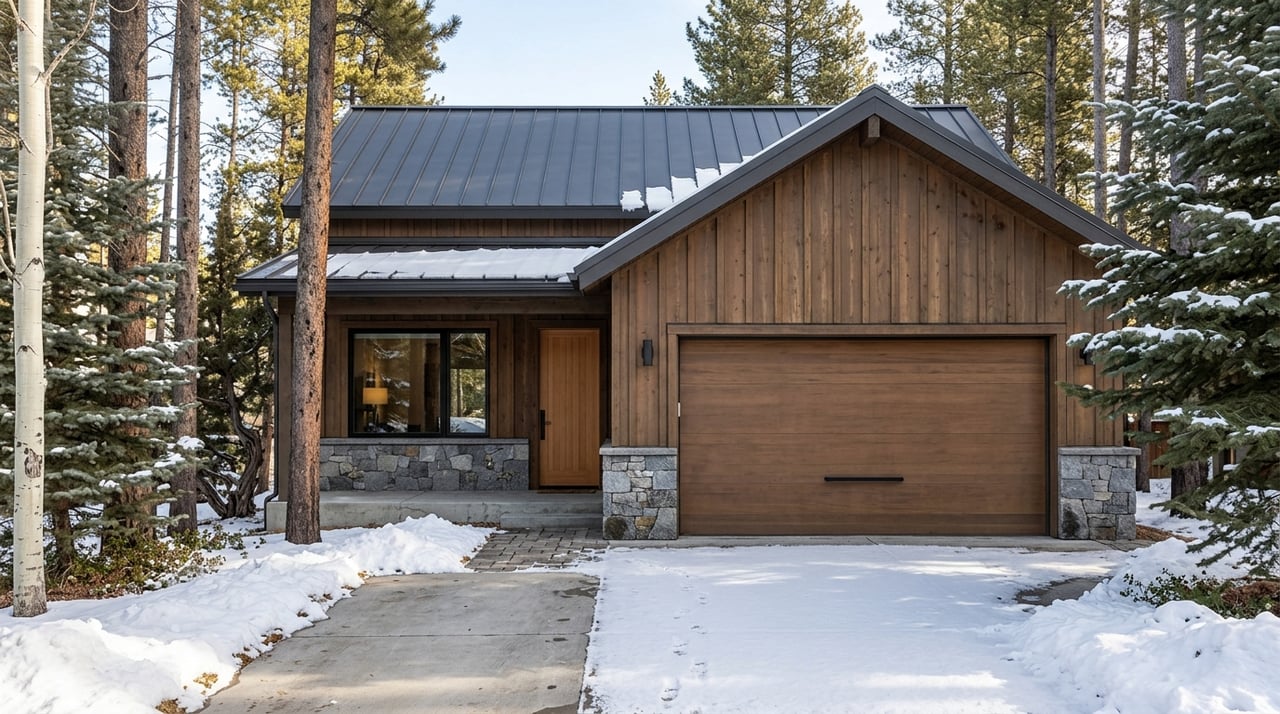
Buying A Ski Home In Olympic Valley
May 28, 2026
Dreaming about a place where you can wake up near the lifts, watch the snow pile up outside, and turn a weekend getaway into a long-term Tahoe investment? Buying a ski home in Olympic Valley can be exciting, but it also comes with very specific tradeoffs that matter more here than in many other mountain markets. If you are weighing lifestyle, access, property type, and rental rules, this guide will help you focus on what really matters before you buy. Let’s dive in.
Olympic Valley sits in eastern Placer County, about nine miles south of Truckee and seven miles northwest of Tahoe City. County planning documents describe it as a 4,700-acre alpine valley with the main village at the base of Palisades Tahoe. For many buyers, that setting is the whole draw.
Palisades Tahoe is one of the region’s best-known ski destinations, with a winter season that typically runs from November through May. The resort reports a base elevation of 6,200 feet, a peak of 9,050 feet, 3,600 skiable acres, 39 lifts, and average annual snowfall of 400 inches. If your goal is to spend more time skiing and less time commuting to the mountain, Olympic Valley deserves a close look.
Olympic Valley is not a broad suburban housing market. County documents show about 1,672 total residential units, including roughly 1,180 condominiums, which points to a housing mix that is heavily resort-oriented. In practical terms, that usually means you will see more condos, townhomes, and condo-hotel style properties than detached homes.
That mix can work well if you want a lower-maintenance second home or a property close to resort activity. At the same time, a smaller pool of detached homes means buyers looking for extra privacy, larger lots, or more traditional single-family layouts may need to be patient. Knowing your priorities early can save you time and help narrow the search.
In Olympic Valley, location is not just about the address. One of the biggest differences between properties is whether you are truly close to the lifts or positioned in the broader valley. That distinction affects how you use the home in winter, how often you rely on your car, and what kind of owner experience you can expect.
The Village at Palisades Tahoe is located at 1960 Olympic Valley Road, and Alpine Lodge is at 2600 Alpine Meadows Road. In winter, the Base to Base Gondola links the two valleys, and free Mountaineer and TART services can reduce reliance on private vehicles. For buyers, that means it is smart to compare walk-to-base convenience or shuttle access with homes that may require winter driving and parking.
Olympic Valley has a small year-round population and major seasonal swings. County planning documents estimate roughly 591 full-time residents, while other district materials describe about 1,000 year-round residents. Both sources also point to very large peak visitor periods, ranging from more than 20,000 to as many as 25,000 people daily during busy holiday or seasonal windows.
For you as a buyer, that seasonality shapes everything from traffic patterns to how often a home may be used throughout the year. A ski property here can feel peaceful in one season and very active in another. That is not a downside on its own, but it is something to understand clearly before you commit.
Many buyers ask whether a ski home can help offset ownership costs through short-term rentals. In unincorporated Placer County, short-term rentals are stays of 30 days or fewer, and the county regulates them. Owners must have a Transient Occupancy Tax certificate, obtain a short-term rental permit, pass interior fire life safety and exterior defensible-space inspections, maintain a local contact within 35 driving miles, and pay a non-refundable application fee.
The county also notes that operating without a permit can trigger penalties. Its 2024 amendments state that once the 3,900-permit cap is reached, a 30-night minimum applies, excluding owner-occupied short-term rentals, and certain approved condo-hotel properties may be exempt from individual short-term rental permits. If rental income is part of your plan, you will want to review the property type carefully and confirm how current county rules apply before moving forward.
Buying in a ski-resort setting means your due diligence should go beyond finishes, views, and square footage. In Olympic Valley, access, emergency planning, utility service, and property management details deserve extra attention. This is where local guidance can make a real difference.
County emergency planning materials state that the valley has only one means of ingress and egress, State Route 89. The same materials describe wildfire hazard zones in the district as ranging from High to Very High and note that the valley has been isolated in the past by avalanche and mudslide events. These are not just abstract planning issues. They affect how you evaluate risk, access, and preparedness.
A strong Olympic Valley purchase decision often starts with practical questions like these:
These questions help you look beyond the marketing photos and focus on how the home will function for your goals.
The Olympic Valley Public Service District provides water, sewer, fire protection, emergency medical services, and solid waste service. Its utilities page lists 19 miles of pipe, 1.785 million gallons of storage, 4 groundwater wells, and 147 hydrants. That infrastructure is important, but as a buyer, you still want to verify the specifics for the property you are considering.
For example, it is worth confirming what the district handles versus what an HOA handles. You should also review any ongoing fees, service details, and property-level responsibilities before closing. In a resort market, these details can have a real impact on ownership costs and maintenance planning.
Fire safety is an important part of owning property in this area. Placer County has been actively reducing fuels in and around Olympic Valley, including work at Olympic Valley Park and in nearby areas such as Cabin Creek. That public work is helpful, but buyers should still pay close attention to property-specific conditions.
You may want to ask about defensible space, tree management, access for emergency response, and any recent inspections or recommendations tied to the property. If you are buying in an HOA community, it is also smart to understand where the HOA’s maintenance responsibility begins and ends. Clear answers now can help prevent surprises later.
If you are deciding between Olympic Valley and nearby communities, the comparison usually comes down to how you want to spend your time in Tahoe. Olympic Valley is the main base-village side of Palisades Tahoe, which makes it especially appealing for buyers who want direct access to ski-focused amenities and a resort-centered lifestyle. That convenience can be hard to replicate elsewhere.
Compared with Alpine Meadows, Olympic Valley is more centered around the base village environment, while Alpine Meadows connects in winter through the Base to Base Gondola. Compared with Tahoe City, Olympic Valley is generally the closer ski-base choice, while Tahoe City offers a nearby town setting served by TART. Neither option is universally better. The right fit depends on whether your priority is lift access, village energy, town convenience, or a different ownership feel.
When you buy a ski home in Olympic Valley, it helps to think in layers. First, define how you plan to use the property. Are you primarily focused on winter weekends, longer seasonal stays, future rental use, or a combination of all three?
Next, match that plan to the right property type and location. A walkable condo near the base may suit one buyer perfectly, while another may prefer more space elsewhere in the valley. Then, dig into the disclosures, HOA terms, district services, and short-term rental rules so your decision is based on how the property really performs, not just how it looks on a tour.
That kind of disciplined approach can protect both your lifestyle and your investment. In a market like Olympic Valley, informed buying tends to lead to better long-term ownership experiences.
If you are considering a ski home in Olympic Valley, having a calm, local guide can make the process clearer from day one. Tricia Higgins brings Tahoe market knowledge, careful disclosure review, and practical insight to help you find the right fit for how you want to live, invest, and enjoy the mountains.
Tricia approaches real estate with the same dedication as the tech industry. Buyers, sellers, and investors can expect reliability, integrity, and a “can-do” work ethic. Her vast international corporate experience brings a welcome level of clear-headed negotiation skills. Contact her today!