Buying A Classic Cabin In Tahoma
June 11, 2026
Dreaming of a classic Tahoe cabin instead of a polished new build? In Tahoma, that dream can be very real, but it usually comes with a different set of tradeoffs than buyers expect. If you want charm, West Shore access, and a quieter residential feel, this guide will help you understand what to look for, what to verify, and how to buy with confidence. Let’s dive in.
Tahoma offers a more residential West Shore setting within El Dorado County’s Tahoe basin plan area, which the county describes as a mix of natural terrain, recreation, compact commercial areas, and small residential communities. For many buyers, that translates to a quieter base that feels centered on cabins and daily access to the outdoors.
If you compare Tahoma with other nearby areas, the difference becomes easier to picture. Tahoe City has a denser town center with more shops, dining, hotels, and marina activity, while Homewood is more closely associated with the ski resort. Tahoma generally feels less commercial and more residential, which is exactly why many cabin buyers focus their search here.
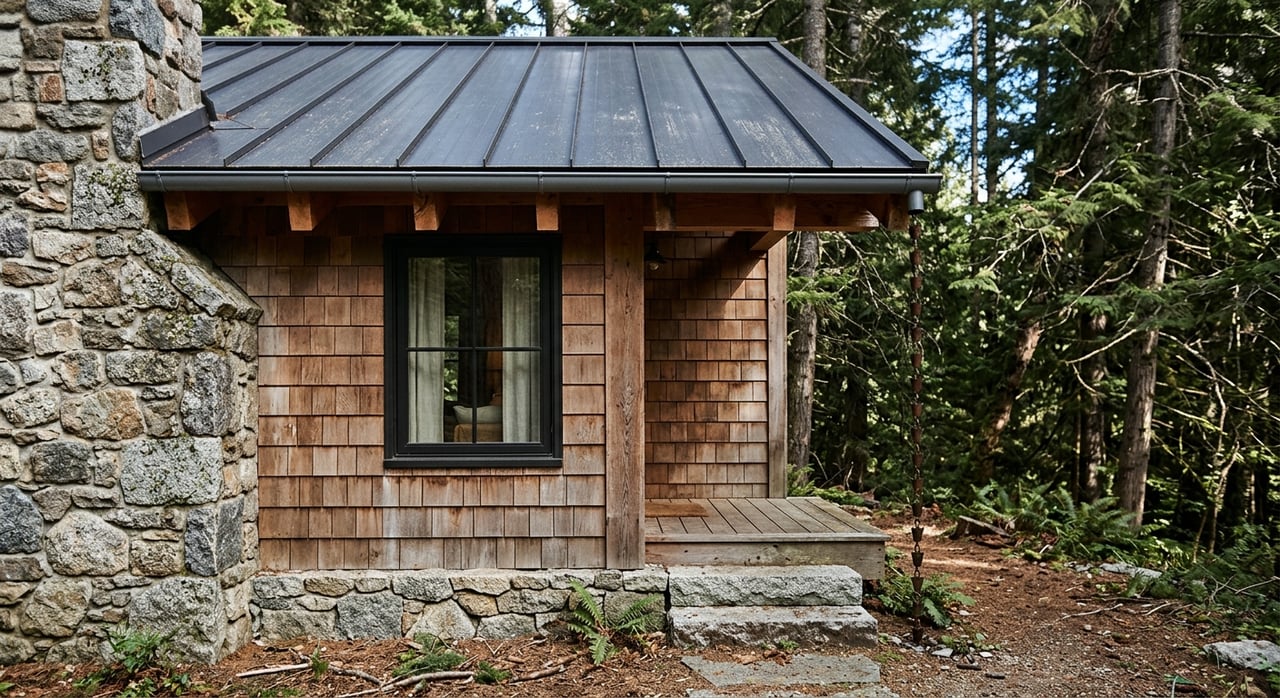
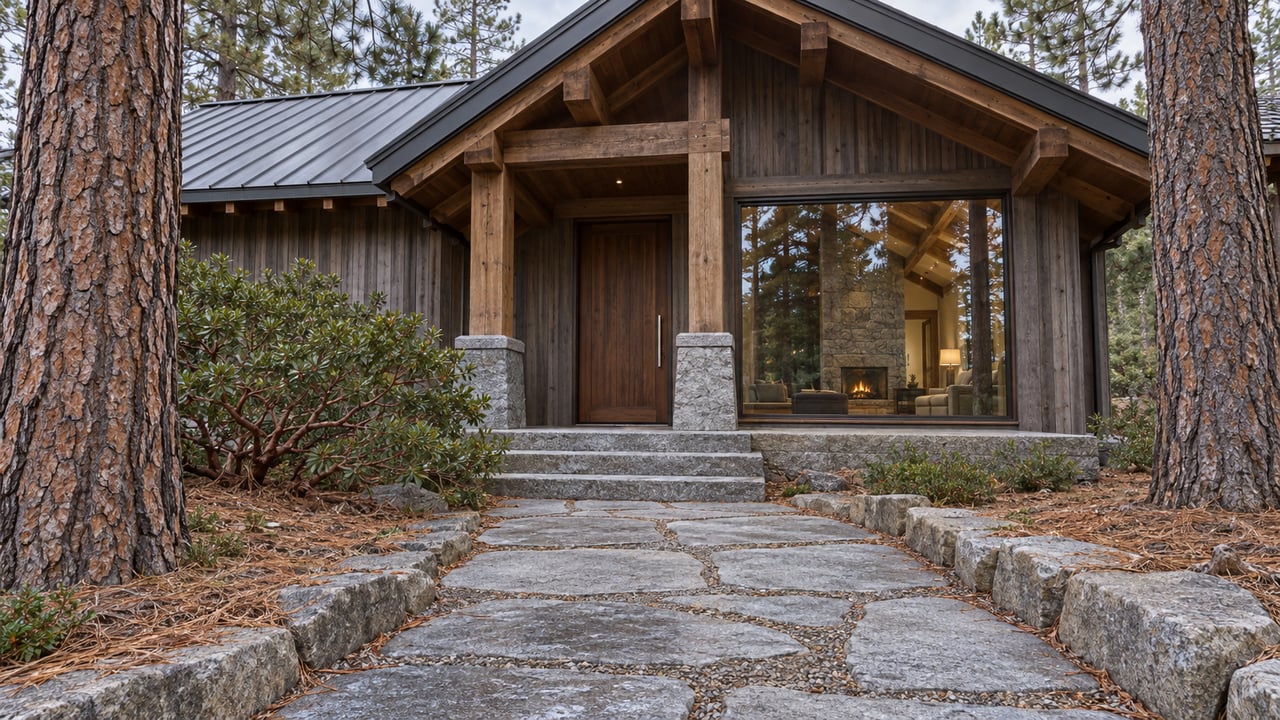
In Tahoma, a classic cabin often means rustic, compact, and full of character. It usually does not mean oversized, sleek, or mountain-modern. Many of these homes were built for simpler seasonal living and may have been updated over time in stages rather than rebuilt all at once.
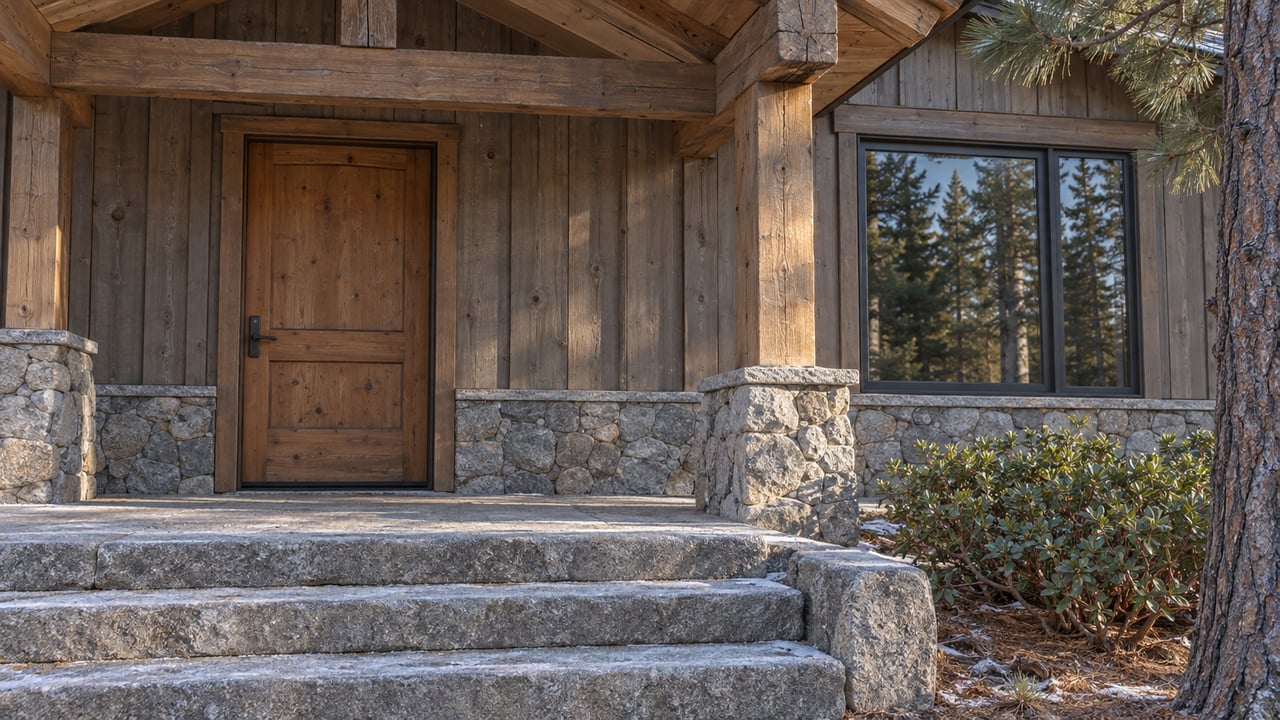
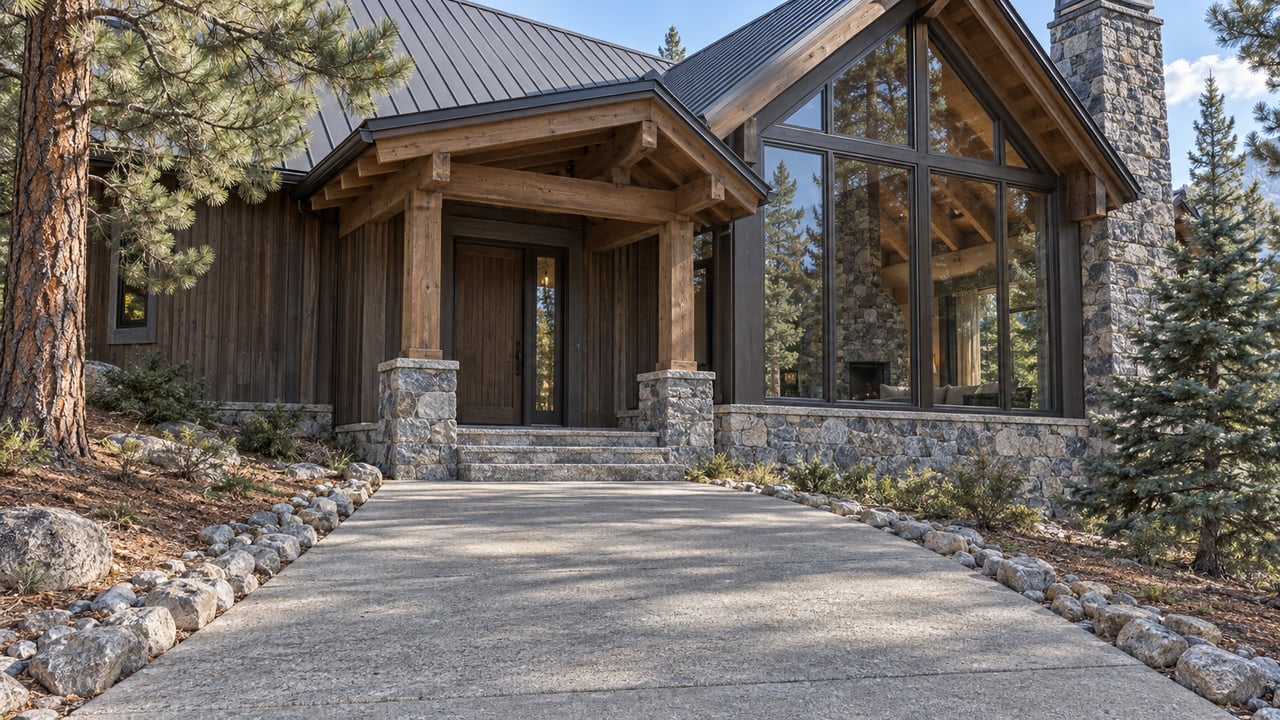
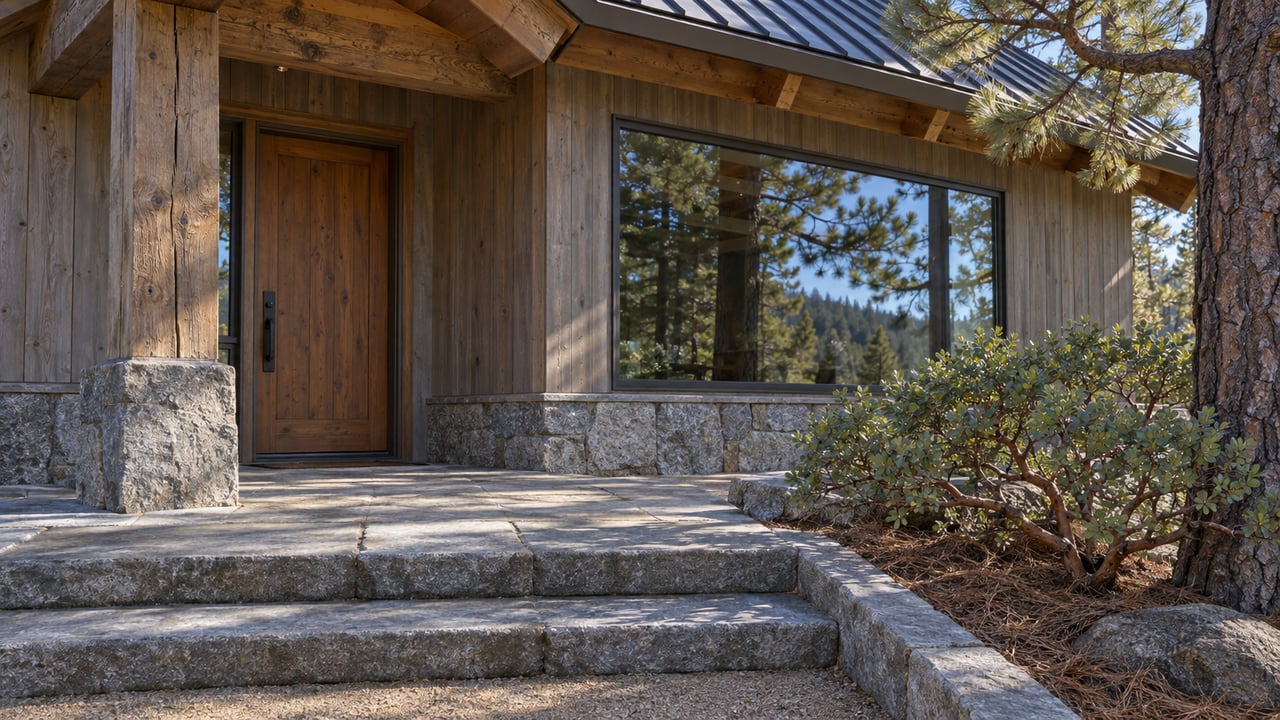
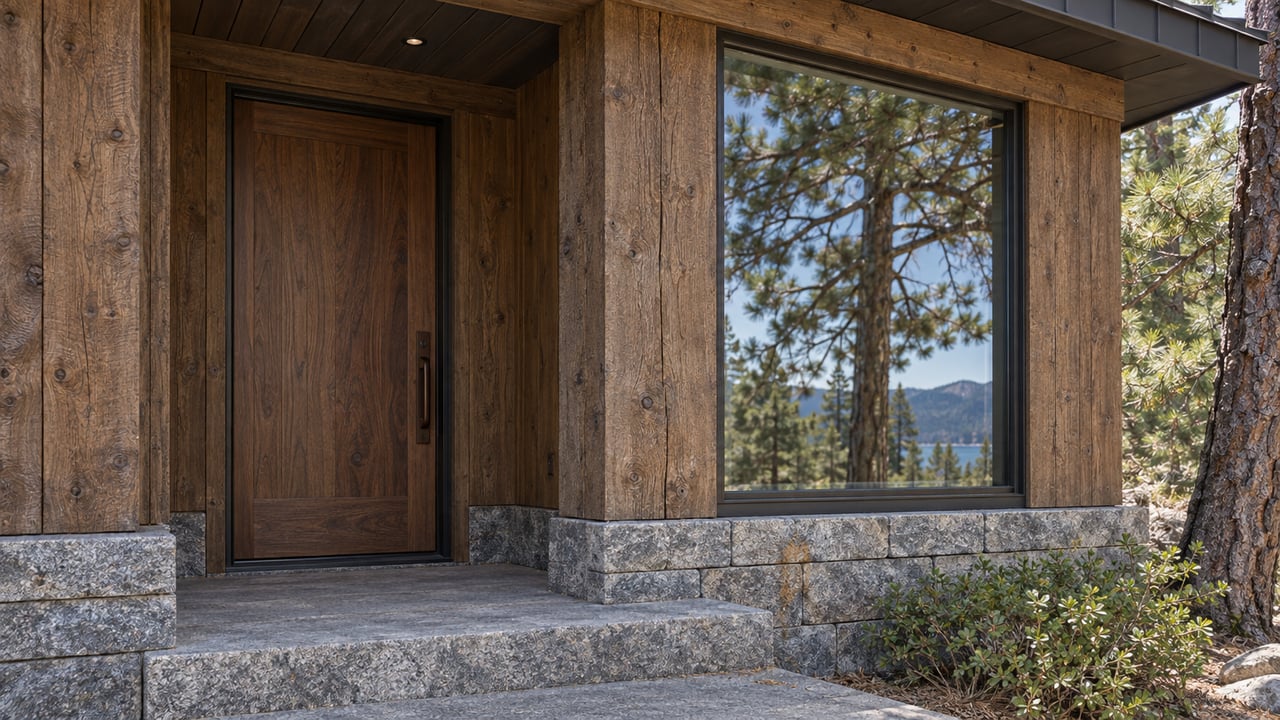
TRPA design standards tied to Old Tahoe and Historic Alpine character emphasize natural materials, subdued colors, and forms that avoid bulky, box-like massing. Wood siding and stone are common materials, and rooflines may include styles like clip-gambrel or shed roofs. You may also see details such as trim, shutters, balconies, and covered walkways.
Local design coverage adds even more recognizable traits. Think steep gable roofs, board-and-batten or bevel siding, knotty wood, exposed structural detailing, minimal eaves, and granite accents. In practical terms, a classic Tahoma cabin tends to feel warm and understated, with charm coming from texture, scale, and setting rather than size.
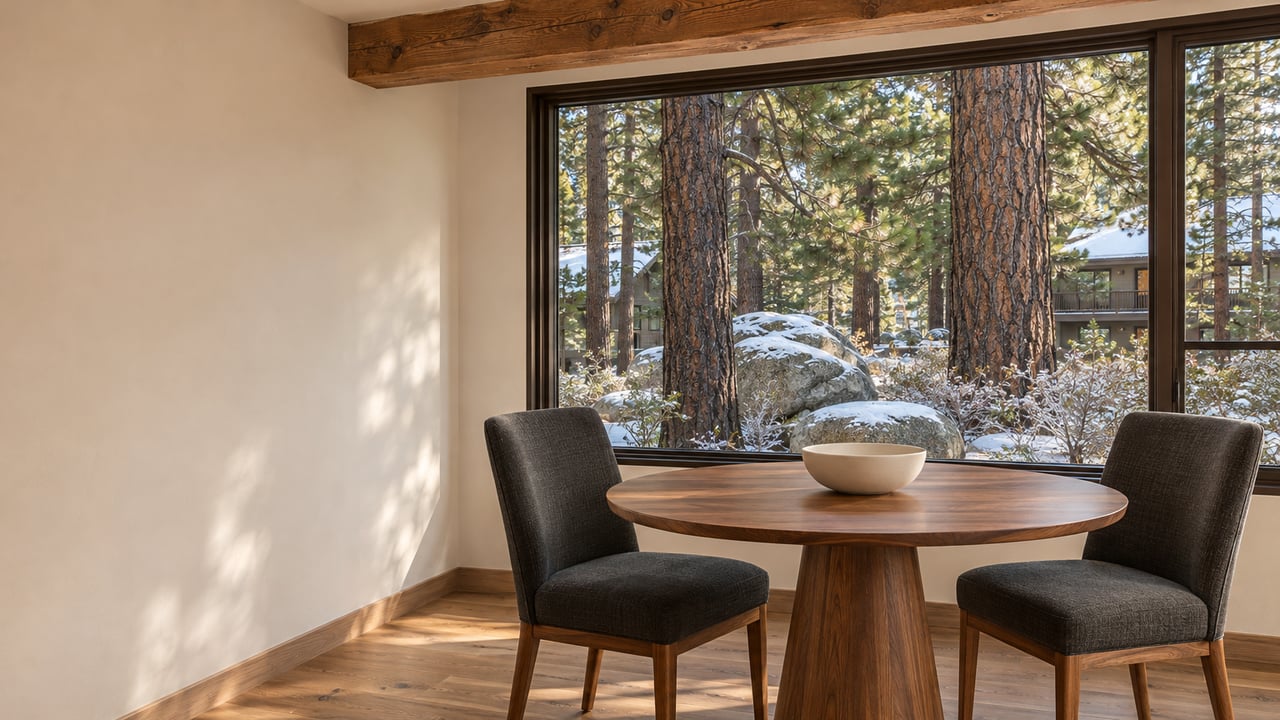
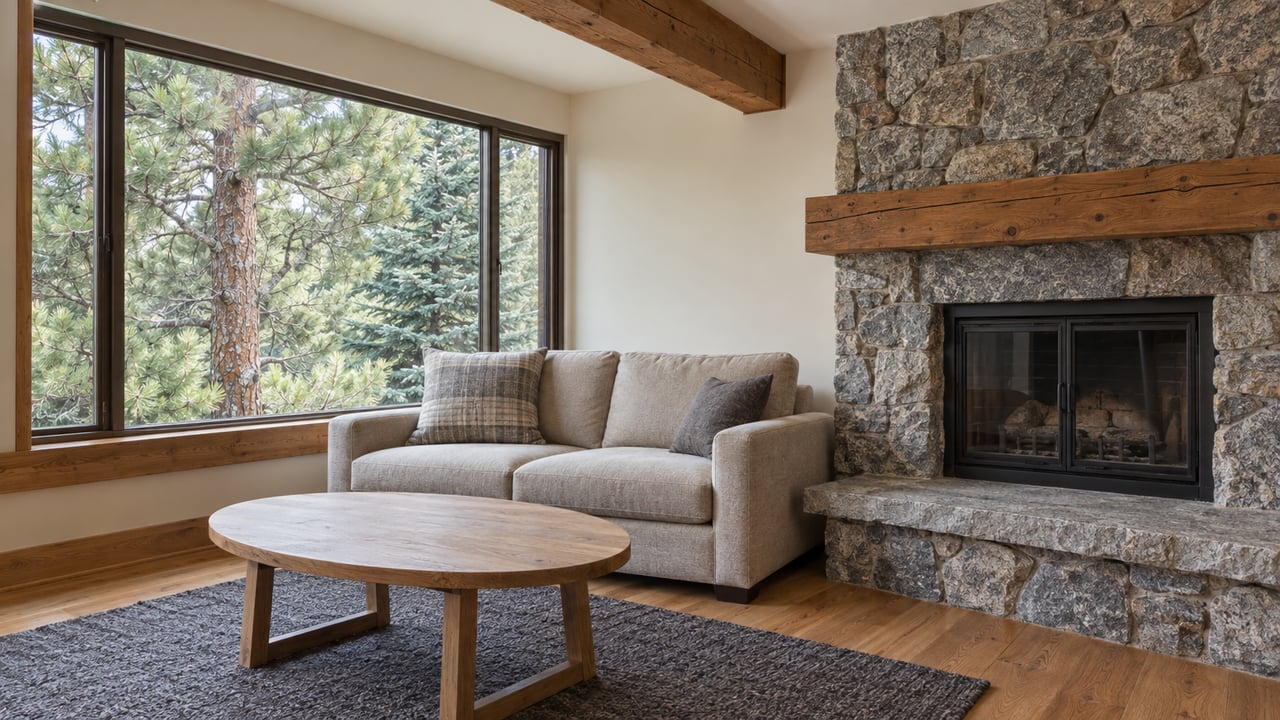
One thing many buyers notice right away is that older cabins can feel darker or more enclosed than newer Tahoe homes. Many were originally built with fewer and smaller windows, so interiors may not have the same open feel you see in newer construction.
That does not mean they lack appeal. It simply means you should be ready to evaluate whether you want original character, a partially updated home, or a cabin with remodel potential. Your ideal fit depends on how much authenticity, comfort, and project work you want to balance.
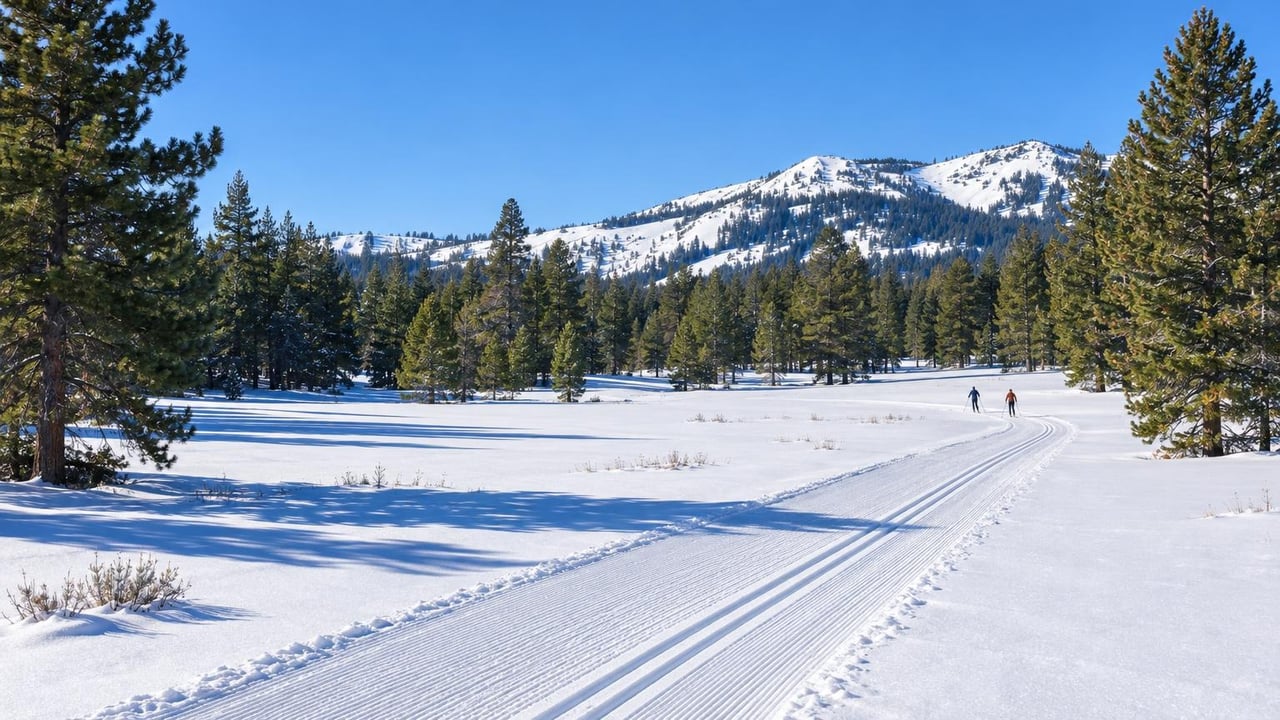
A big reason buyers choose Tahoma is the lifestyle just outside the front door. The West Shore offers water activities, hiking, camping, skiing, snowboarding, cross-country skiing, and snowshoeing, according to the Forest Service. The McKinney-Rubicon Trailhead is also about one mile west of the Tahoma neighborhood entrance, which is a major plus if trail access matters to you.
Sugar Pine Point State Park adds another layer to the area’s appeal. The park includes nearly two miles of Lake Tahoe frontage and offers picnicking, hiking, wildlife viewing, boating, swimming, and historical features, including the Hellman-Ehrman Mansion.
Farther south, Emerald Bay State Park expands your options with camping, hiking, boating, swimming, and one of the lake’s best-known historic landmarks, Vikingsholm. If you want a more active town hub for errands, dining, or marina services, Tahoe City is the main nearby option on the North and West Shore side.
A classic cabin can be a wonderful purchase, but older homes in Tahoe require careful review. In Tahoma, buyers should pay close attention to wildfire readiness, stormwater compliance, renovation limits, winter access, and older heating systems.
This is where local knowledge and strong disclosure review matter most. A charming cabin can still carry real costs or restrictions if key items were never updated, documented, or approved.
Wildfire preparedness is one of the most important issues for any Tahoe home, especially an older cabin surrounded by trees. CAL FIRE recommends home hardening and 100 feet of defensible space, along with keeping combustible materials away from the structure.
TRPA also encourages defensible space work, local inspections, and clearing pine needles from roofs and gutters. It specifically notes that replacing wood-shake roofs is a common hardening step. If you are looking at an older Tahoma cabin, it is worth finding out what has already been done and what may still need attention.
Buyers sometimes assume they can simply remove trees after closing to improve fire safety or open up the site. In Tahoe, that is not always a simple decision. TRPA notes that local fire protection agencies can often handle defensible-space tree work, but sensitive areas, backshore areas, and stream environment zones may require added review.
That means tree conditions and vegetation plans should be part of your early due diligence, especially if the lot has dense coverage or special environmental features. It is much better to know the review path before you build your budget around future work.
Stormwater and erosion control are major issues in the basin. TRPA requires developed properties to install and maintain best management practices, and sellers must disclose BMP status within 30 days of a sale.
This is especially relevant in Tahoma, where local erosion-control work shows runoff and water-quality improvements remain an active concern. For a buyer, the practical question is simple: does the property already have BMP documentation, or will you need to address it after closing?
A lot of buyers fall in love with a cabin and immediately start imagining additions, reconfigured interiors, or expanded outdoor living. In Tahoma, those plans need to be checked early. TRPA says a property with no prior TRPA permit will likely need a land capability verification or site assessment.
If the structure is more than 50 years old, a historic determination may also be required for certain work. Pre-1987 homes are subject to the Bailey land capability system, which can affect allowable coverage. If the home is visible from Lake Tahoe or a scenic corridor, additional site and design standards may apply.
If you are buying a second home and hoping to start work quickly, timing matters. TRPA’s grading season runs from May 1 through October 15, and outside that period, soil-disturbing work must be winterized and usually needs an exception.
That can affect remodel schedules, contractor coordination, and move-in timing. It is also useful to understand winter logistics more broadly, since El Dorado County maintains a Tahoma plow zone and county road maintenance includes snow removal and ice control.
A classic cabin often comes with a fireplace or older wood stove, and many buyers see that as part of the appeal. But older systems should be reviewed carefully. TRPA says inefficient wood stoves and open fireplaces are a substantial source of air pollution in the basin, while newer EPA-certified models reduce emissions and can be safer.
For that reason, the fireplace, chimney, and stove condition are worth closer attention during inspections and disclosure review. A cozy feature can still become a meaningful upgrade item.
When you tour classic cabins in Tahoma, it helps to look past the atmosphere and ask a few focused questions. These questions can save time and help you compare homes more clearly.
Buying a classic cabin in Tahoma is often less about finding perfection and more about finding the right balance. You may be choosing between better character, better systems, better location, or better remodel potential. The key is understanding which tradeoffs fit your goals before you commit.
That is especially true if you are buying a vacation home or investment-oriented property. You want a home that supports the lifestyle you came for, while also giving you clarity on upkeep, approvals, and future improvements.
A thoughtful buying process can help you do both. With the right local guidance, you can narrow in on cabins that match your lifestyle, review disclosures carefully, and make a decision based on real facts instead of just first impressions.
If you are thinking about buying a classic cabin in Tahoma, Tricia Higgins can help you evaluate neighborhood fit, review disclosures with care, and navigate the details that matter before you write an offer.
Tricia approaches real estate with the same dedication as the tech industry. Buyers, sellers, and investors can expect reliability, integrity, and a “can-do” work ethic. Her vast international corporate experience brings a welcome level of clear-headed negotiation skills. Contact her today!